Motorbike Rental in Nha Trang can be one of the most flexible ways to move between the beach road, central landmarks, local food stops, and short coastal viewpoints.
The city is compact, but the decision to self-ride should begin with legality and confidence rather than convenience. A rental shop can hand over a bike even when the rider has not completed every licence, insurance, or safety check.
This guide explains realistic 2026 prices, bike choices, documents, inspection points, easy routes, traffic habits, and alternatives for travellers who should not self-drive.
If you are experienced, properly licensed, insured, and comfortable in Vietnamese traffic, a simple daylight rental can add genuine freedom to a Nha Trang stay.
Quick summary: For common bikes, plan roughly 80,000-180,000 VND per day, with premium and specialist models costing more. Confirm your licence/IDP rules, insurance, deposit, helmet, bike condition, and breakdown support before riding. Keep the first route short and in daylight.
1. Is motorbike rental in Nha Trang right for you?
The northern seafront around Pham Van Dong Road is one reason a motorbike can feel practical for short, flexible sightseeing.
Photo: Dominic Nelson / Wikimedia Commons (CC BY-SA 4.0). Displayed at 850 × 500 px.
Nha Trang is compact enough that many city sights sit within short riding distance of one another. A motorbike can reduce waiting time between the central beach, Po Nagar area, Hon Chong, local markets, cafes, and the northern seafront. It also makes it easy to stop for a viewpoint or change plans when the weather is good.
That flexibility only helps if you already ride confidently in mixed urban traffic. Nha Trang has buses, taxis, delivery riders, pedestrians, sudden lane changes, and motorbikes entering from side streets. A first motorbike lesson should not happen in holiday traffic.
For experienced and properly licensed riders, the simplest approach is to keep the first day local. Learn the brakes, mirrors, throttle response, parking routine, and traffic rhythm before considering longer roads outside the city.
Good fit: experienced riders who want flexible short-distance sightseeing.
Less suitable: first-time riders, nervous riders, or anyone without the correct licence and insurance.
Start with daylight city and seafront riding before adding longer rural sectors.
2. How much does motorbike rental in Nha Trang cost in 2026?
Daily rental prices vary by engine class, model age, rental length, delivery terms, and the condition of the motorbike.
Photo: Martin Lewison / Wikimedia Commons (CC BY 2.0). Displayed at 850 × 500 px.
Published rental rates in Nha Trang vary widely because shops carry different model years, engine sizes, maintenance standards, and rental terms. Public listings checked in August 2026 show budget semi-automatic bikes commonly around 80,000-130,000 VND per day, while many standard automatic scooters sit around 120,000-180,000 VND per day.
Larger automatic scooters, premium models, manual bikes, and specialist touring motorcycles can cost substantially more. Longer weekly or monthly rentals often reduce the effective daily rate, but only if the agreement clearly defines the return time, damage policy, and included services.
Do not compare daily price alone. Ask whether helmets, hotel delivery, rain gear, roadside support, fuel, parking, or a cash deposit are included. A cheaper bike with weak tyres or unclear damage terms is poor value.
Bike type
Typical 2026 daily range
Best for
Main check
Basic semi-automatic
80,000-130,000 VND
Budget city riding
Brakes, tyres, chain, lights
Common automatic scooter
120,000-180,000 VND
Easy city and coastal use
Tyres, brakes, storage, smart key
Premium automatic / manual
150,000-300,000+ VND
Longer comfort or stronger performance
Licence class, condition, deposit
Specialist touring models
250,000-700,000+ VND
Experienced riders and longer routes
Insurance, engine class, support terms
Planning note: Price check: August 2026. Rates are planning ranges, not a guaranteed quote. Holiday periods, model age, duration, delivery, and deposits can change the final price.
3. Choose the right bike: scooter, semi-automatic, or manual?
Choose a bike that matches your real riding experience and route, not simply the cheapest model on the rental list.
Photo: Nicolas Raymond / Wikimedia Commons (CC BY-SA 3.0). Displayed at 850 × 500 px.
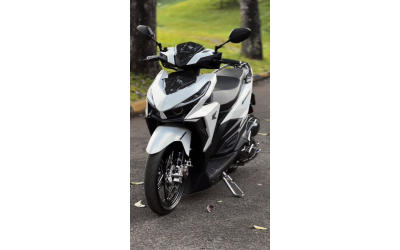
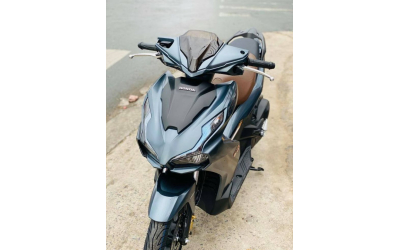
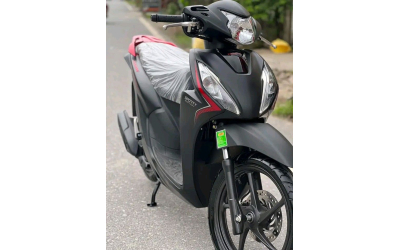
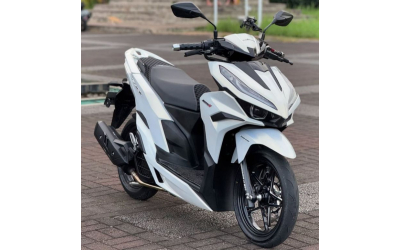
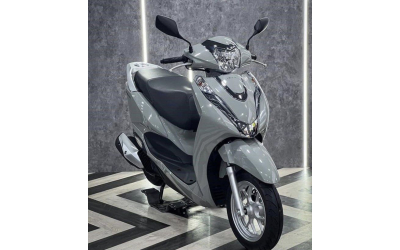
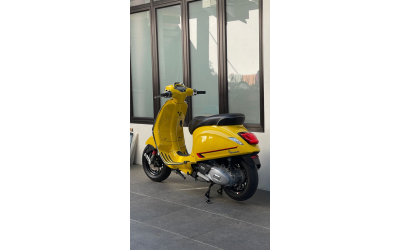
For most experienced visitors staying within Nha Trang, a small automatic scooter is the easiest format. There is no clutch to manage, under-seat storage is useful, and low-speed city riding is straightforward once you are familiar with local traffic.
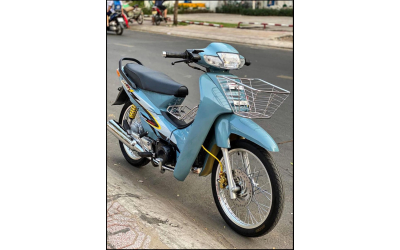
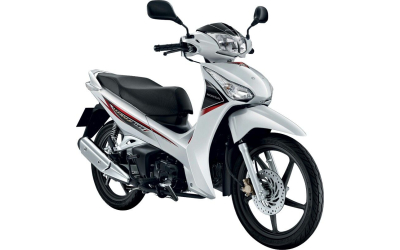
A semi-automatic bike such as a Wave- or Sirius-type model is usually lighter and cheaper. It can be practical for riders already comfortable with foot shifting. Manual and higher-powered motorcycles should be reserved for riders who regularly use that format and hold the correct licence for the engine class.
The right bike is not necessarily the newest or most powerful. Your height, passenger load, luggage, route, parking confidence, and braking familiarity matter more than style.
Automatic scooter: convenient for city and seafront rides.
Semi-automatic: economical and light, but requires familiar gear changes.
Manual / larger motorcycle: only for riders with matching experience and licence entitlement.
Two-up riding changes braking distance and balance; choose the bike and route accordingly.
A shop agreeing to rent you a motorbike does not automatically mean you are legal to ride it on public roads. The rider is responsible for having a licence that is valid for the motorcycle class and for meeting Vietnam's recognition rules for foreign licences and international driving permits.
Vietnam uses the 1968 Road Traffic Convention framework for recognised international driving permits. Current UK travel advice, for example, tells British drivers and motorcyclists to carry both a 1968-version International Driving Permit and their UK driving licence in Vietnam. Travellers from other countries should confirm the rule that applies to their own licence with an official Vietnamese source or their embassy before riding.
Decree 168/2024 sets substantial administrative penalties for riding without an appropriate licence. It also specifically addresses 1968 Convention IDP holders who fail to carry the matching national licence. Third-party insurance is also an important legal and financial check.
Keep your passport secure. Current UK travel advice specifically warns travellers not to hand over a passport as a vehicle-rental deposit. A reputable rental process should be able to explain acceptable identification and deposit alternatives in writing.
Carry the correct motorcycle licence for the engine class.
Where applicable, carry the recognised 1968 IDP together with the matching national licence.
Confirm third-party insurance and whether your own travel insurance covers motorbike riding.
Do not assume a rental agreement, 50cc label, or shop reassurance replaces legal checks.
Use a passport copy or another agreed deposit method rather than surrendering the original passport.
Before leaving the rental point, photograph the bike and test tyres, brakes, lights, horn, mirrors, steering, and fuel level.
Photo: John Gillespie / Wikimedia Commons (CC BY-SA 2.0). Displayed at 850 × 500 px.
Spend five minutes on a documented inspection before the rental clock starts. Photograph all sides of the bike, including existing scratches, mirrors, wheels, exhaust, body panels, and the fuel gauge. A short video can make the condition at handover even clearer.
Then test the controls at low speed. Front and rear brakes should feel progressive, the steering should move freely, tyres should have visible tread and normal pressure, and the lights, indicators, horn, mirrors, and electric starter should work. Confirm the plate and registration details provided by the rental operator.
Ask what happens if the bike will not start, gets a flat tyre, or develops a mechanical issue outside the shop. The value of a rental service becomes most obvious when something goes wrong.
Check
What to look for
Tyres
Tread, pressure, cracks, puncture risk
Brakes
Front and rear response; no grinding or excessive travel
The easiest self-ride routes stay close to Nha Trang and combine the seafront with short scenic stops such as Hon Chong.
Photo: Can't stop shooting film / Wikimedia Commons (CC BY). Displayed at 850 × 500 px.
The best self-ride day is usually a simple loop, not a long-distance challenge. Keep the first route close to the city, avoid riding after dark, and turn back early if rain, wind, fatigue, or traffic feels uncomfortable.
A useful city-and-coast loop starts near the central seafront, runs north toward the Po Nagar area, continues to Hon Chong and Pham Van Dong Road, then returns through the city for a heritage or market stop. This gives coastal scenery without committing to remote mountain roads.
Longer nature trips such as Yang Bay require more time and more route judgment. If you are unsure about road conditions, licensing, navigation, or weather, use a private tour or driver instead of stretching a casual rental into an adventure ride.
Ride defensively rather than trying to copy the fastest local rider. Keep your speed low enough to react to vehicles entering from side streets, pedestrians crossing, buses stopping, and riders changing position without much warning. Leave more braking distance in rain.
Fill up before a longer coastal or countryside run and avoid planning around an exact fuel price, because pump prices change. Ask the rental shop what fuel the bike uses and whether it should be returned at the same level.
Use attended parking at attractions, markets, restaurants, and hotels when available. Keep the parking ticket with you and do not leave your passport, wallet, or phone in an unlocked bike compartment. At night or in heavy rain, a taxi or private transfer is often the better choice.
Central Vietnam can receive heavy seasonal rain, and road conditions can change quickly. If visibility drops, streets begin to flood, or wind becomes strong, stop the ride rather than treating a holiday plan as fixed.
Helmet for driver and passenger; secure the strap correctly.
Zero alcohol before riding.
Slow down before junctions and wet painted road markings.
Use attended parking and keep the ticket.
Do not ride through floodwater you cannot judge safely.
If licensing, confidence, weather, or traffic feels uncertain, a guided city day is often a better choice than self-riding.
Photo: wileypics / Wikimedia Commons (CC BY 2.0). Displayed at 850 × 500 px.
Self-riding is not a badge of independence. A guided car, cyclo, or local rider can make more sense when you do not have the correct licence, have limited motorbike experience, are travelling with children, expect rain, or want to focus on photography and cultural stops instead of traffic.
Guided transport also removes several operational tasks: navigation, parking, route timing, entrance planning, and the question of what to do if the bike breaks down. For a short holiday, this can be more valuable than saving a small transport cost.
A private itinerary can still preserve flexibility. You can ask for a slower heritage day, a beach-and-city mix, or a nature-focused route without having to self-drive.
Choose guided transport if you cannot confirm legal riding documents.
Choose guided transport if you are not already comfortable on scooters or motorcycles.
Choose guided transport for night travel, heavy rain, family groups, or long rural days.
Keep self-riding for simple daylight routes when all legal and safety checks are clear.
A good rental day leaves time for the bike handover, parking, breaks, and a change of plan. Avoid turning every landmark into a timed checkpoint. The purpose of the motorbike is flexibility, not a race through the city.
07:30Collect the bike, photograph its condition, check documents, brakes, tyres, lights, helmet, and fuel.
08:15Ride the central seafront while traffic and heat are still manageable.
09:00Visit Po Nagar or continue to Hon Chong, using attended parking where available.
11:00Return toward the city for Long Son Pagoda or a local lunch stop.
13:30Take a long break during the hottest part of the day rather than adding unnecessary kilometres.
15:00Use Pham Van Dong Road for a short coastal ride if weather, traffic, and energy are good.
16:30Refuel if required, return the bike in daylight, and complete a joint condition check.
If you have several days in Nha Trang, use one day for independent city movement and keep island or water activities separate. This avoids combining wet gear, boat schedules, and self-riding in one overloaded day.
How much is a motorbike rental in Nha Trang per day?
For common bikes, a useful 2026 planning range is about 80,000-180,000 VND per day for many semi-automatic and standard automatic models. Premium, manual, larger, or specialist touring bikes can cost more. Always confirm the exact model, 24-hour return rule, deposit, delivery fee, and damage terms.
Should I leave my passport as a deposit?
Avoid surrendering your original passport as a vehicle deposit. Current UK travel advice specifically warns against it. Ask for a cash deposit, copy of identification, or another documented alternative accepted by the rental provider.
Do tourists need a motorcycle licence in Vietnam?
You must have the correct legal entitlement for the motorcycle you ride. Recognition depends on the licence-issuing country and the applicable permit rules. Vietnam uses the 1968 Convention IDP framework; where an IDP is applicable, carry it together with the matching national licence and check official guidance for your nationality.
Is an automatic scooter easier than a semi-automatic?
For riders already experienced with scooters, an automatic is generally simpler in stop-start city traffic. A semi-automatic can be lighter and cheaper, but it requires familiar foot shifting.
Can I rent a 50cc bike without checking licence rules?
Do not assume a 50cc label automatically solves licensing, registration, or insurance questions. Confirm the vehicle classification, the rule that applies to your nationality, and your insurer's coverage before riding on public roads.
What if I am not confident riding in Nha Trang?
Use a guided tour, cyclo, taxi, or private vehicle. The city is easy to enjoy without self-riding, and a guided option is the better choice when experience, legal documents, weather, or traffic confidence is uncertain.
Final rental check: Confirm the exact bike, licence requirements, insurance, deposit, return time, helmet, condition photos, support number, and weather before you ride.











.jpg?width=1200)

.jpg?width=1200)
.jpg?width=1200)


