Motorbike Rental in Hue can give experienced riders a flexible way to connect the Imperial City, Perfume River, royal tombs, pagodas, markets, and quieter roads beyond the centre.
Hue feels gentler than Vietnam’s largest cities, but that does not make self-riding automatically easy. The real decision begins with riding experience, the correct licence and permit combination, insurance, bike condition, and realistic weather planning.
This guide compares current 2026 rental prices, scooter and semi-automatic choices, paperwork, inspection points, easy heritage loops, Hai Van Pass, Tam Giang Lagoon, and guided alternatives when self-riding is not the right fit.
If every legal and safety check is clear, keep the first rental day short, in daylight, and close to Hue before adding a longer coastal or mountain route.
Quick summary: For many basic and standard bikes, a useful 2026 planning range is about 80,000-180,000 VND per day, while newer or premium models can cost more. Verify the correct licence/IDP combination for your nationality, confirm insurance, avoid leaving your original passport as a deposit, inspect the bike, and begin with a short daylight route.
1. Is motorbike rental in Hue right for you?
Hue mixes calm heritage streets with busy junctions, local traffic, buses, and motorbikes entering from side roads.
A motorbike is most useful when you want to move between several Hue zones without waiting for a car at every stop. The heritage core, riverfront, Kim Long and Thien Mu area, royal tomb corridor, food streets, and nearby countryside all reward flexible timing.
The city is still a live traffic environment. Riders share the road with buses, cars, bicycles, delivery traffic, pedestrians, and scooters joining from small lanes. If you are still learning throttle control, braking, balance, or lane positioning, Hue is not the place to practise on a rental bike.
Experienced riders should use the first hour as an orientation ride rather than a sightseeing sprint. Learn the mirrors, brakes, indicators, turning radius, parking routine, and local traffic rhythm before heading farther from the hotel.
Good fit: experienced riders with the correct legal documents and insurance.
Less suitable: first-time riders, nervous riders, families needing child support, or travellers expecting heavy rain.
Best first step: a simple daylight city loop with easy parking and no fixed deadline.
2. How much does motorbike rental in Hue cost in 2026?
Rental price depends on bike type, model age, rental duration, delivery terms, maintenance, and deposit policy.
Photo: Francisco Anzola / Wikimedia Commons (CC BY 2.0). Displayed at 850 × 500 px.
Published Hue rental rates checked in August 2026 show a relatively consistent entry level. Local operators such as Kiwi Motorbike list semi-automatic bikes around 80,000-100,000 VND per day, while Camay and Kenvin commonly list basic models around 100,000 VND per day.
Standard automatic scooters are commonly advertised around 120,000-160,000 VND per day. Newer or premium models can rise toward 150,000-200,000 VND or more, depending on model year, engine class, rental length, delivery, and deposit terms.
Treat price as only one part of the decision. Ask whether helmets, delivery, rain gear, roadside help, damage responsibility, fuel policy, late return, and one-way drop-off are included before comparing two shops.
Bike type
Typical 2026 planning range
Best for
Main check
Basic semi-automatic
80,000-120,000 VND/day
Budget city and tomb rides
Tyres, brakes, chain, lights
Common automatic scooter
120,000-160,000 VND/day
Comfortable city sightseeing
Brakes, tyres, storage, key system
Newer / premium scooter or manual
150,000-300,000 VND/day
Longer comfort or stronger performance
Licence class, deposit, insurance
Larger touring motorcycle
From about 600,000 VND/day; often higher
Experienced long-distance riders
Engine class, support, route, coverage
Planning note: Price check: August 2026. These are planning ranges built from current public Hue rental listings, not a guaranteed quote. Peak holidays, model availability, delivery, rental length, and deposits can change the final price.
3. Choose the right bike: scooter, semi-automatic, or manual?
For city stops such as Dong Ba Market, a light scooter or semi-automatic bike is usually more practical than an oversized motorcycle.
Photo: Chainwit. / Wikimedia Commons (CC BY 4.0). Displayed at 850 × 500 px.
For most experienced visitors riding within Hue, a small automatic scooter is the simplest format. Stop-start traffic is easier without manual shifting, and under-seat storage can help with a light rain layer, water, or small day bag.
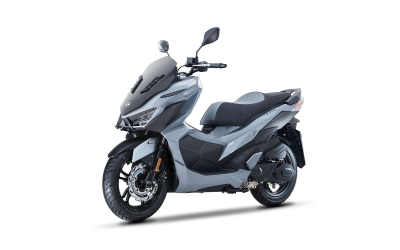
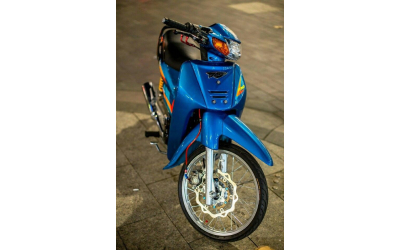
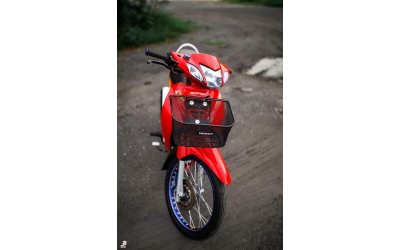
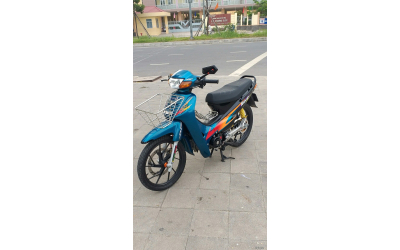
A semi-automatic bike such as a Wave- or Sirius-type model is often lighter and cheaper. It suits riders already comfortable with foot shifting and can be economical for the heritage core, pagodas, and tomb corridor.
Manual and higher-powered motorcycles should be chosen for real riding ability, not appearance. A larger engine does not compensate for poor cornering technique on Hai Van Pass, and it may create additional licence and insurance requirements.
Before accepting the bike, sit on it with both feet stable, test low-speed balance, confirm the brakes feel progressive, and make sure the mirrors can be adjusted to a useful position.
Before riding to places such as Thien Mu Pagoda, confirm that your licence, permit, insurance, and rental paperwork are valid for the motorcycle class.
Photo: thalling55 / Wikimedia Commons (CC BY 2.0). Displayed at 850 × 500 px.
Do not assume that a rental shop handing over a motorbike means you are legally entitled to ride it. The required combination depends on your national licence, the motorcycle class, and whether an International Driving Permit issued under the relevant convention is recognised for your situation.
Current UK travel advice gives a clear example: British visitors need both the 1968 version of the International Driving Permit and their UK driving licence to drive a car or motorbike in Vietnam. It also states that driving without third-party insurance is illegal. Travellers from other countries should verify the equivalent rule for their own licence before riding.
Vietnam’s current driving-licence framework is regulated under Circular 12/2025/TT-BCA, which covers the issuance and use of international driving permits. Because licence recognition is nationality-specific, check current official guidance rather than relying on a rental-shop promise or an old travel blog.
Keep the rental contract, shop phone number, bike registration details supplied by the operator, and insurance information accessible. Avoid surrendering your original passport as a vehicle deposit; current UK guidance specifically warns travellers not to do so.
Carry the correct national licence and recognised permit required for your situation.
Confirm your travel insurance covers motorcycle riding at the engine size you rent.
Ask what third-party insurance applies to the motorbike.
Use a documented alternative to leaving your original passport as a deposit.
Keep the rental contract and emergency contact details with you.
A five-minute handover can prevent most rental disputes and many roadside problems. Walk around the bike before moving it, photograph existing scratches and cracks, and make sure the shop sees the same damage you record.
Test both brakes at low speed, then check tyre tread and pressure by feel, lights, indicators, horn, mirrors, steering, throttle return, stand, fuel level, and visible leaks. On a semi-automatic or manual bike, listen for abnormal chain noise and confirm gear changes are smooth.
Helmet quality matters as much as the motorcycle. Choose a helmet that fits securely and closes properly. If the supplied helmet is visibly damaged, loose, or has a weak strap, request another one before leaving.
Ask exactly what happens after a puncture, flat battery, key problem, minor crash, or breakdown outside the city. Save the support number in your phone before the first ride.
Check
What to look for
Tyres
Tread, pressure, sidewall damage, no obvious puncture issue
Brakes
Front and rear brake response without grinding or excessive lever travel
Lights and horn
Headlight, brake light, turn signals, horn all working
Steering and mirrors
No binding; mirrors stable and adjustable
Body condition
Photograph scratches, broken panels, bent levers, cracked lenses
Fuel / battery / key
Confirm level, start reliability, key or smart-key operation
Helmet
Correct fit, secure strap, no obvious impact damage
Support
Rental contract, shop phone, breakdown and return procedure
The easiest self-ride days stay close to the heritage core, Perfume River, pagodas, garden areas, and selected royal tombs.
Photo: Vyacheslav Argenberg / Wikimedia Commons (CC BY 4.0). Displayed at 850 × 500 px.
The best first self-ride routes do not require a full day of road time. Hue rewards short loops with long cultural stops, so use the bike to connect areas and then get off it.
A heritage-core loop can combine the Imperial City, riverside streets, Dong Ba area, and a cafe or food stop. A river-and-pagoda loop can continue west through Kim Long toward Thien Mu, while the royal-tomb corridor works better when you choose one or two tombs rather than trying to collect every monument.
The Vietnam Travelers Hue guide recommends building the destination by zones: heritage core, royal tomb corridor, river and pagoda area, local city life, and rural Hue. That same logic works well for a rental day because it reduces repeated cross-city riding.
7. Hai Van Pass and Lang Co: only for confident riders
Hai Van Pass is a scenic extension from Hue, but its curves, changing visibility, wind, and longer riding time suit confident riders only.
Photo: Thomas Schoch / Wikimedia Commons (CC BY-SA 3.0). Displayed at 850 × 500 px.
Hai Van Pass is one of the strongest reasons experienced motorcyclists look beyond central Hue. The road combines mountain curves, coastal views, changing wind, and visibility that can shift quickly when cloud or rain reaches the pass.
Treat this as a separate riding day, not an add-on after several hours of sightseeing. Start early enough to ride in daylight, check rain and wind, allow time for stops, and turn back if visibility or road confidence deteriorates.
A small city scooter is not automatically the best choice for a long pass day, but a larger motorcycle is not automatically safer either. The best bike is one you know how to control, with good tyres and brakes, appropriate engine capacity, and valid licence and insurance coverage.
If the goal is the scenery rather than the challenge of self-riding, a guided two-wheel route is a strong alternative. Vietnam Travelers’ Central Vietnam Adventure On Two Wheels includes a Hoi An-to-Hue motorbike sector and shows how the pass can fit into a supported regional itinerary.
Ride only with confident cornering and braking skills.
Check weather and visibility before leaving Hue.
Protect daylight margins for the return or onward transfer.
Do not mix alcohol with any riding day.
Use a guided rider or private transfer when conditions are uncertain.
8. Tam Giang Lagoon, Bach Ma, and countryside rides
Tam Giang Lagoon offers a slower countryside direction for riders who prefer open landscapes to a long mountain-pass day.
Photo: yuchinkay / Wikimedia Commons (CC BY 2.0). Displayed at 850 × 500 px.
Not every long ride from Hue needs mountain curves. Tam Giang Lagoon can provide a gentler landscape of water, fishing communities, low roads, and sunset light, while rural Hue offers smaller village roads and slower local scenes.
Bach Ma is a different type of outing. Forest, elevation, weather, and current park-access rules can change the practical transport plan. Confirm whether your rental bike is allowed on the road section you intend to use and whether a transfer or guided arrangement is required before setting out.
Keep one main destination per longer day. Riding from Hue to a lagoon, national park, pass, and multiple tombs in a single schedule creates more fatigue than meaningful travel.
For any countryside route, start with a full phone battery, offline map, water, fuel plan, rental support number, and a realistic turnaround time.
Tam Giang: best for open scenery and a slower rural rhythm.
Bach Ma: confirm current vehicle access and weather before departure.
Village roads: reduce speed around homes, markets, schools, and animals.
Return before dark unless you are highly experienced and the route is well known.
Longer rides toward forested and mountainous areas need fresh weather checks, daylight margins, fuel planning, and confirmation of current access rules.
Ride defensively and leave more stopping distance than you think you need. Local riders may filter through gaps, turn from side streets, or change position with limited warning. Your job is not to copy the fastest rider; it is to remain predictable.
Use attended parking at major attractions and markets when available, keep the ticket, and remove valuables from the bike. Ask the rental shop what fuel the motorbike requires and whether it should be returned at the same level.
Current UK travel advice states that any alcohol in your system can lead to penalties for drink-driving in Vietnam. It also warns that motorbike accidents are common and recommends experienced riders, thorough bike checks, reputable rental organisations, good helmets, and suitable insurance.
Central Vietnam’s wet season can bring heavy rain, flooding, and disrupted roads. If water depth is unclear, visibility is poor, or wind becomes strong, stop rather than forcing a sightseeing plan. Heat also matters: schedule longer monument visits or lunch during the hottest part of the day.
Wear a properly fastened helmet for every ride.
Use zero alcohol before riding.
Slow down on wet paint, metal covers, bridge joints, and shaded corners.
Use attended parking and keep the parking ticket.
Do not ride through floodwater when depth or road condition is uncertain.
For 2026 planning, many basic semi-automatic bikes are around 80,000-120,000 VND per day and common automatic scooters around 120,000-160,000 VND per day. Newer, premium, manual, and larger touring models can cost more. Confirm the exact model, return clock, deposit, delivery fee, and damage terms.
Do tourists need an International Driving Permit in Hue?
The correct legal documents depend on your nationality, national licence, and motorcycle class. UK guidance, for example, requires British visitors to carry both the 1968 IDP and their UK licence. Travellers from other countries should verify current official requirements for their own licence before riding.
Should I leave my passport as a motorbike deposit?
Avoid handing over your original passport as a vehicle deposit. Current UK travel advice specifically warns against it. Ask the rental provider for a documented cash deposit, copy of identification, or another accepted alternative.
What is the easiest bike for central Hue?
For riders already experienced with scooters, a small automatic is usually the simplest in stop-start city traffic. Semi-automatic bikes are light and economical but suit riders already comfortable with foot shifting.
Can I ride from Hue over Hai Van Pass?
Experienced, properly licensed and insured riders can consider the route when weather and road conditions are suitable. Treat it as a dedicated daylight ride, check the bike carefully, and do not continue when visibility, rain, wind, or confidence deteriorates.
What if I am not confident self-riding?
Use a guided motorbike experience with a professional rider, a private car, or a planned Hue day tour. You can still reach the Imperial City, tombs, pagodas, countryside, and Hai Van area without taking on the legal and traffic responsibility of self-driving.
Final rental check: Confirm the exact bike, licence requirements, insurance, deposit, return time, helmet, condition photos, support number, and weather before you ride.
Prefer a supported Hue day?
Share your riding experience, dates, hotel, preferred sites, and comfort level. Vietnam Travelers can shape a private Hue route with a guide, driver, or supported two-wheel format when self-riding is not the best fit.
Image credits: Truong Tien bridge in Huế.jpg by Christophe95 (CC BY-SA 4.0); Street scene Hue, Vietnam (16492996985).jpg by Clay Gilliland (CC BY-SA 2.0); Moto parking in bus station (7165984883).jpg by Francisco Anzola (CC BY 2.0); Dong Ba Market (Hue) - Chợ Đông Ba Huế (July 2024) - img 01.jpg by Chainwit. (CC BY 4.0); Outside the Thien Mu Pagoda (1347329652).jpg by thalling55 (CC BY 2.0); Poncho in post-rain sunshine (14556518687).jpg by Erwin Verbruggen (CC BY-SA 2.0); Vietnam, Hue, Imperial City of Hue.jpg by Vyacheslav Argenberg (CC BY 4.0); Hai Van Pass Vietnam.jpg by Thomas Schoch (CC BY-SA 3.0); Tam Giang lagoon.jpg by yuchinkay (CC BY 2.0); Bach Ma NP2.jpg by Duncan Wright (CC BY-SA 3.0); Riviere des Parfums Hue.jpg by Lưu Ly (Public domain). All images are real photographs sourced from Wikimedia Commons and displayed in 850 × 500 px crop boxes.












.jpg?width=1200)
.jpg?width=1200)
%20-%20Ch%E1%BB%A3%20%C4%90%C3%B4ng%20Ba%20Hu%E1%BA%BF%20(July%202024)%20-%20img%2001.jpg?width=1200)
.jpg?width=1200)
.jpg?width=1200)


