Motorbike rental in Pleiku works best for travelers who want the freedom to move between a compact highland base and the wider Gia Lai landscape without building every day around a private car.
The strongest reason to rent a bike is not simply lower cost. It is route control. You can leave early for Biển Hồ, stop for coffee when the weather changes, add a pagoda or viewpoint, and return before the highland light fades.
Pleiku also requires a more practical riding mindset than a beach town. Some roads are broad and easy, while longer loops may involve rain, broken surfaces, trucks, agricultural traffic, or long gaps between services.
This guide compares current price references, bike types, paperwork, inspection steps, pickup choices, and realistic day rides around Pleiku and the Central Highlands.
Quick summary: Expect roughly 100,000–200,000 VND per day depending on bike type and condition. Confirm the exact motorcycle, legal riding documents, insurance position, deposit, delivery fee, and damage policy before handing over money or original documents.
1. What does motorbike rental in Pleiku cost in 2026?
Rental prices in Pleiku vary by bike type, condition, rental length, and delivery terms.
A local Pleiku rental operator currently publishes a broad range of 100,000–200,000 VND per day. Its listed reference bands are about 100,000–140,000 VND for semi-automatic bikes, 140,000–180,000 VND for scooters, and 150,000–200,000 VND for manual or sport-style bikes.
Treat these numbers as planning references rather than guaranteed rates. Holiday demand, model year, mechanical condition, rental length, airport delivery, and one-way return arrangements can all change the final quote.
Bike type
Reference daily price
Best for
Main consideration
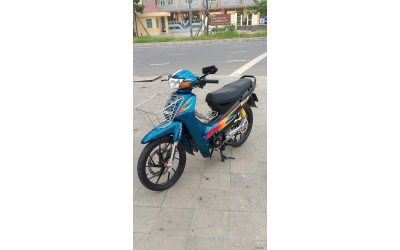
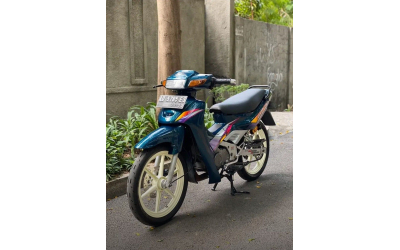
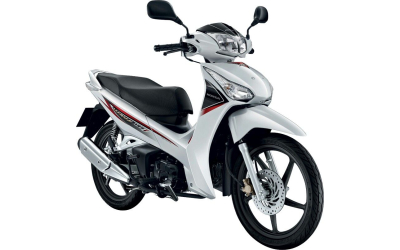
Semi-automatic
100,000–140,000 VND
City + mixed highland roads
Requires gear shifting; usually light and efficient
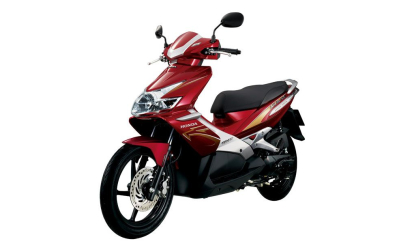
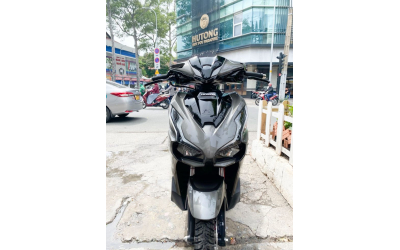
Automatic scooter
140,000–180,000 VND
Comfortable city riding
Heavier on rough or steep roads; smaller wheels on some models
Manual / sport bike
150,000–200,000 VND
Experienced riders and longer distances
Higher skill level, fuel use, and deposit may apply
Ask whether the day is calculated by calendar day or a 24-hour rental cycle.
Confirm what is included: helmet, raincoat, phone holder, fuel, roadside support, and delivery.
Photograph the odometer, fuel level, and existing scratches before departure.
Get the total price and deposit conditions in writing before payment.
2. Choose the right bike for Pleiku and Gia Lai roads
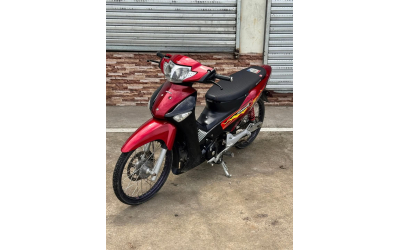
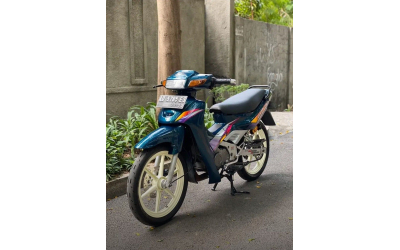
Semi-automatic bikes are practical for mixed city and highland roads; scooters favor comfort, while manual bikes suit experienced riders.
For first-time visitors, a semi-automatic 110–125cc bike is often the most balanced option. It is lighter than many scooters, easy to refuel, and generally comfortable on a mix of city streets and rolling highland roads.
Automatic scooters suit riders who value simplicity and spend most of the day on paved roads. They are convenient in town, but weight distribution, smaller wheels on some models, and automatic transmission can feel less controlled on rough shoulders or slippery surfaces.
Manual motorcycles are best reserved for riders who already understand clutch control, braking on descents, and slow-speed balance. A larger engine does not automatically make a route safer.
Choose the bike you already know how to ride rather than the most powerful option.
Test low-speed steering, front and rear brakes, and throttle response before loading luggage.
If riding two-up, check rear suspension, passenger foot pegs, and helmet fit for both riders.
Avoid accepting a bike with unfamiliar controls immediately before a long rural route.
3. Check licence, IDP, insurance, and helmet rules
Bring the correct licence documents and always use a properly fitted helmet before riding in Vietnam.
Legal riding status matters because a rental agreement does not make a rider legally licensed. Vietnam’s road traffic law recognizes an International Driving Permit together with the matching national driving licence when both are issued by a country participating in the 1968 Vienna Convention and the licence category covers the vehicle being ridden.
Travelers from other licensing systems should verify their position before renting. Do not rely on a shop employee saying that a passport, car licence, or photocopy is “enough.” Insurance can also depend on the rider holding the correct motorcycle entitlement.
Both rider and passenger should use a properly fitted motorcycle helmet. For practical protection, reject damaged shells, loose straps, cracked buckles, or helmets that move significantly when fastened.
Carry the original national licence and valid IDP when required for your nationality.
Confirm that the licence category covers the engine class you intend to rent.
Ask your insurer whether self-riding a motorcycle in Vietnam is covered.
Keep passport details secure; avoid leaving an original passport as collateral when another documented arrangement is possible.
4. Inspect the motorbike before you leave the rental shop
Check tires, brakes, lights, horn, mirrors, fuel level, and visible damage before accepting a rental motorbike.
A five-minute inspection can prevent hours of frustration. Do it before signing the final handover or leaving the shop, ideally in daylight.
Start with tires. Look for adequate tread, no obvious sidewall cracks, and normal inflation. Then test both brakes independently, check that the handlebar turns smoothly, and make sure the bike does not pull noticeably to one side during a slow test ride.
Lights, indicators, horn, mirrors, stand, fuel cap, and electric start should all work. On a semi-automatic or manual motorcycle, shift through the gears at low speed and listen for excessive chain noise.
Record a slow 360-degree video of the bike before departure.
Confirm fuel policy and take a photo of the gauge.
Save the rental shop’s emergency number offline.
Ask what to do after a puncture, breakdown, accident, or police stop.
Do not accept a promise to “fix it later” if a safety-critical part is already weak.
5. Start with an easy Pleiku to Biển Hồ ride
Biển Hồ is one of the easiest scenic rides from Pleiku, combining crater-lake views with a relaxed highland road.
Biển Hồ, also known as T’Nưng Lake, is one of the most natural first rides from Pleiku. The route is short enough to test the bike without committing to a remote full-day loop, yet it quickly introduces the volcanic scenery that defines this part of Gia Lai.
Leave after morning traffic, ride at an unhurried pace, and use the lake as a flexible half-day anchor. The value of the route comes from small stops rather than speed: tree-lined roads, lake viewpoints, coffee breaks, and agricultural landscapes.
If the weather turns wet, shorten the ride rather than forcing a longer loop. Basalt soil can become slippery when carried onto paved roads by rain and farm vehicles.
Keep the first day compact while you learn the bike.
Avoid stopping on blind bends or narrow shoulders for photos.
Use secure parking and take valuables with you.
Return before dark if you are not familiar with local road conditions.
Minh Thành Pagoda adds architecture, gardens, and a calm cultural stop to a short Pleiku motorbike itinerary.
Minh Thành Pagoda works well on a shorter city circuit because it adds a cultural stop without requiring a long transfer. The architecture, gardens, and quiet atmosphere create a useful contrast with road-focused travel.
Plan respectful clothing and park where instructed. Religious sites are not only photo locations, so move quietly, avoid blocking entrances, and follow signs around prayer areas.
A practical half-day can combine the pagoda with local coffee, a market stop, and a relaxed route through central Pleiku. This is especially useful on arrival day or when afternoon rain makes a distant ride less appealing.
Keep valuables out of open scooter storage when parking.
Carry a light rain layer even when the morning is clear.
Avoid revving or idling unnecessarily near religious spaces.
Use the short circuit to judge whether the bike is comfortable enough for a longer day.
7. Ride toward Hàm Rồng and Chư Đăng Ya volcanic country
Pleiku’s volcanic landscape becomes more obvious around Hàm Rồng and the wider Chư Đăng Ya highland area.
Pleiku sits within a volcanic highland landscape. Hàm Rồng is a clear example, while the wider Chư Đăng Ya area is known for an extinct volcanic cone, fertile basalt slopes, seasonal flowers, and agricultural scenery.
These routes are more rewarding when treated as countryside rides rather than a race between pins on a map. Road surfaces and access conditions can change, and some viewpoints require walking after parking.
Start early, refuel before leaving the urban area, and keep a conservative turnaround time. Afternoon rain and fog can reduce visibility quickly in the highlands.
Check the exact road approach on the day of travel.
Do not ride onto farm tracks or private land simply because a map shows a shortcut.
Park before steep, muddy, or walking-only sections.
Carry water and keep enough fuel for an unexpected detour.
Coffee plantations and red-basalt highland roads are a defining part of riding beyond central Pleiku.
Coffee country gives Pleiku motorbike travel its strongest sense of place. Once outside the denser streets, plantations, small villages, red earth, and long green views create a riding experience that feels distinctly Central Highlands.
The best coffee ride is not necessarily the longest. Choose one or two farm or cafe stops, leave time to talk with hosts, and avoid turning private agricultural land into an unofficial photo location.
A longer regional journey can continue toward Kon Tum or south toward Buon Ma Thuot, but those distances deserve their own travel day. High-speed point-to-point riding removes much of the value of the landscape and leaves less margin for weather.
Use daylight hours for unfamiliar rural roads.
Slow down near villages, schools, livestock, and farm vehicles.
Treat red dirt on pavement as a traction warning, especially after rain.
If you want a multi-day highlands ride, plan luggage, accommodation, maintenance, and one-way return before departure.
9. Plan pickup, return, weather, and longer-distance riding
Airport or hotel delivery can save time, but pickup fees, return location, and late-return rules should be confirmed in advance.
Many visitors want the bike delivered to Pleiku Airport, a hotel, or a homestay. Delivery is convenient, but it should not replace a proper handover. You still need time to inspect the bike, check documents, learn the lock, and test the brakes before the delivery rider leaves.
Confirm the return address, return hour, fuel requirement, late fee, and whether an airport pickup or remote drop-off costs extra. If you plan to leave Pleiku for several days, tell the rental provider your route because some agreements restrict distance or one-way use.
Weather is the other major planning variable. A dry morning can become a wet afternoon, and elevation can make conditions feel cooler than Vietnam’s coast. Build a schedule that can shrink without ruining the day.
Planning point
What to confirm before departure
Pickup
Exact location, delivery fee, handover time, ID requirements
Return
Deadline, late fee, fuel level, same-location or one-way return
Support
Breakdown number, puncture policy, replacement bike procedure
A good Pleiku rental plan balances route ambition with weather, daylight, road conditions, and riding experience.
1. How much is motorbike rental in Pleiku?
A current local reference is roughly 100,000–200,000 VND per day. Semi-automatic bikes are commonly cheaper than scooters or manual sport-style motorcycles. Confirm the exact model, condition, delivery fee, deposit, and rental duration before booking.
2. What is the best motorbike for Pleiku?
For many travelers, a light semi-automatic bike is the most versatile choice for city streets and mixed highland roads. Choose a scooter if you prioritize easy urban riding, and choose a manual motorcycle only if you already have relevant riding experience.
3. Can foreigners legally ride a motorbike in Vietnam?
Foreign riders need licensing documents that are valid in Vietnam for the motorcycle category they ride. Vietnam recognizes qualifying IDPs together with matching national licences under the 1968 Vienna Convention. Check your nationality and insurance position before renting.
4. Is Biển Hồ easy to reach by motorbike?
It is one of the more practical scenic rides from Pleiku and works well as a first-day test route. Ride in daylight, watch for wet or dirty road surfaces, and use secure parking at stops.
5. Can I ride from Pleiku to Chư Đăng Ya?
The area is a popular highland excursion, but road and access conditions should be checked on the day. Start early, keep a fuel reserve, and park before any section that becomes unsuitable for normal road motorcycles.
6. Can a rental bike be delivered to Pleiku Airport?
Some local rental businesses offer delivery, but fees and operating areas vary. Confirm the airport handover point, delivery charge, required documents, and return arrangement before arrival.
7. Should I leave my passport as a deposit?
Avoid surrendering an original passport when a safer documented deposit arrangement is available. Clarify the shop’s policy before booking and keep copies of the rental agreement and handover condition.
8. Is a motorbike good for a multi-day Central Highlands route?
Yes for experienced, legally licensed riders who plan realistic daily distances. Multi-day travel needs a better bike inspection, luggage strategy, weather buffer, roadside support, and clear one-way or return terms.
Plan a Pleiku and Central Highlands ride
Share your travel dates, riding experience, preferred bike type, and the places you want to reach. Vietnam Travelers can help connect a Pleiku rental day with a wider Central Highlands route.











.jpg)


.jpg)


