









Saigon to Cam Ranh
Your Trusted Partner for Motorbike, Car Rental and Bus Tickets
Category Car Rental
- Saigon to Nam Cat Tien private car
- Saigon to Cam Ranh
- Vung Tau to Saigon
- Binh Duong to Da Lat
- Bien Hoa to Vung Tau
- Nha Trang to Da Lat
- Da Lat to Nha Trang
- Hanoi to Ninh Binh
- Ninh Binh to Hanoi
- Hoi An to Da Nang
- Hanoi to Hoa Binh
- Tam Dao to Hanoi
- Hanoi to Tam Dao
- Sa Pa to Hanoi
- Hanoi to Sa Pa
- Ha Long to Hanoi
- Hanoi to Ha Long
- Saigon to Vinh Hy
- Saigon to Ben Tre
- Saigon to Can Tho
- Saigon to Da Lat
- Sai Gon to Nha Trang
- Saigon to Tay Ninh
- Saigon to Mui Ne
- Saigon to Vung Tau
- Hanoi to Dong Do
- Hai Phong to Hanoi
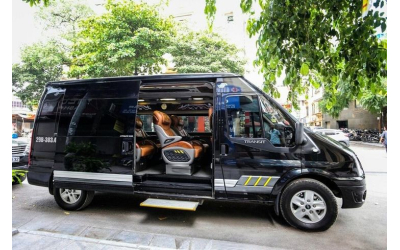
11-seater limousine for a one-way trip Saigon - Cam ranh
Ford Transit, Hyundai Solati
Maximum passenger capacity: 11
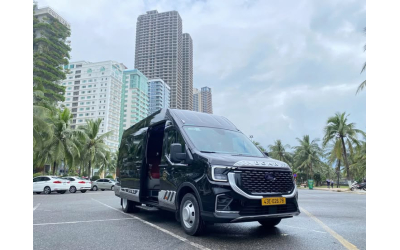
9-seater limousine for a one-way trip Saigon - Cam ranh
Ford Transit, Hyundai Solati
Maximum passenger capacity: 9 passengers
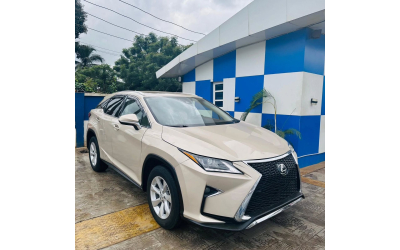
16-seater vehicle for one-way trip Saigon - Cam ranh
Ford Transit, Hyundai Solati
Maximum passenger capacity: 15
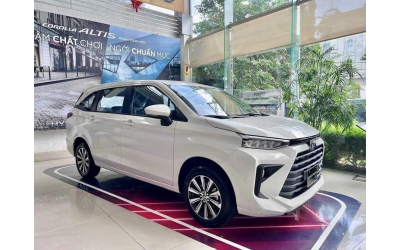
7-seater car for a one-way trip Saigon - Cam ranh
Toyota Fortuner, Mitsubishi Xpander, Toyota Innova, Suzuki XL7
Maximum passenger capacity: 6
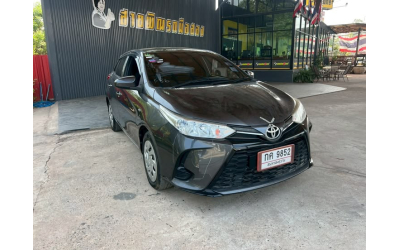
5-seater car for a one-way trip Saigon - Cam ranh
Toyota Vios, Hyundai Accent, Mitsubishi Attrage
Maximum passenger capacity: 4
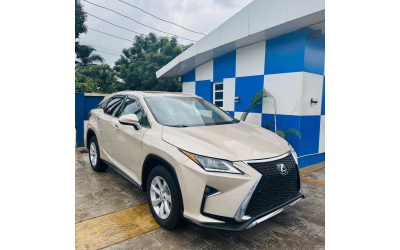
A 4-seater car for a one-way trip Saigon - Cam ranh
Standard vehicle
Maximum capacity: 3 passengers
Saigon to Cam Ranh Private Car Transfer Guide
A Saigon to Cam Ranh private car provides direct transport between hotels, homes, airports, resorts, and coastal destinations. The reserved vehicle carries only the booked group.
This route suits travelers with luggage, families, small groups, or flexible stop requirements. The guide covers the Saigon to Cam Ranh distance, travel time, vehicles, costs, and booking steps.
1. Saigon to Cam Ranh Distance and Travel Time

The route from Saigon to Cam Ranh
The road distance is approximately 340 to 380 kilometers. The final figure depends on the pickup district and destination. Cam Ranh city, Bai Dai resorts, and the airport use different exits.
Most private transfers require about seven to nine hours. This estimate includes one practical comfort stop. Heavy traffic, weather, roadworks, or meal breaks can extend the journey.
Central Ho Chi Minh City pickups need extra time during morning and evening congestion. Tan Son Nhat Airport pickups also depend on flight arrival and baggage collection.
The fastest practical route uses the Ho Chi Minh City to Long Thanh to Dau Giay corridor. It then continues through the Phan Thiet and Vinh Hao expressway sections.
Northbound vehicles can use the Cam Lam to Vinh Hao expressway before joining local roads. The exact exit depends on the hotel, Cam Ranh city, or airport terminal.
Several southern expressways began collecting tolls during 2026. Providers should include or clearly exclude toll charges. The booking should not leave road fees uncertain.
Cam Ranh International Airport lies north of central Cam Ranh. It also serves Nha Trang and the Bai Dai resort area. The final address changes the transfer time.
|
|
|
|
|
|
|
|
|
|
|
|
|
|
|
|
|
|
|
|
|
|
|
|
2. Transfer Options for the Coastal Route
A Saigon to Cam Ranh transfer can use a private car, scheduled bus, train, or flight combination. Each option serves a different travel priority.
A private car provides hotel to hotel service. It removes station transfers and luggage handling between vehicles. Departure time remains flexible within the confirmed booking.
A taxi Saigon to Cam Ranh request can mean a metered taxi or prebooked long distance vehicle. A standard city taxi may not provide a clear intercity package.
Travelers should request a fixed written quotation for the full route. The document should identify tolls, parking, waiting, and stops. Meter-only arrangements can create uncertainty.
A car rental Saigon to Cam Ranh service usually includes a local driver. Chauffeur service is more practical than self drive for most international travelers.

The coastal route to Cam Ranh City
Sleeper buses can cost less, but they use fixed terminals and schedules. Hotels outside the route may require additional taxis. Review Vietnam bus tickets for shared alternatives.
Flights reduce road time but add airport transfers and check-in procedures. A private road journey can remain competitive for three or more travelers.
Train travel offers a slower scenic option. Cam Ranh city access can require a transfer from a suitable railway station. Luggage and hotel connections need extra planning.
|
|
|
|
|
|
|
|
|
|
|
|
|
|
|
|
|
|
|
|
|
|
|
|
|
|
|
|
|
|
3. Vehicles and Optional Stops
A sedan suits one or two travelers with moderate luggage. Three adults can fit when suitcases remain limited. Long journeys feel better with unused space.
An SUV offers additional cabin comfort, but luggage space varies by model. Third-row seats can reduce storage. The provider should confirm the actual configuration.
An MPV suits families and groups of four to six. Sliding doors improve hotel pickups. Flexible seating supports strollers and several suitcases.
A van works well for larger groups or sports equipment. Rear air conditioning and seat belts should be confirmed. Travelers should also check the boarding step.
Direct service provides the fastest arrival. Optional sightseeing stops can turn the transfer into a coastal road trip. Every stop increases time and total cost.

There is a wide range of daily bus services departing from Saigon to Cam Ranh
Phan Thiet or Mui Ne can provide a meal break or overnight extension. Use Ho Chi Minh City to Mui Ne private car when the itinerary includes a separate stay.
Bau Trang offers sand dunes east of Mui Ne. The detour needs additional driving and entrance time. It should never be treated as a brief roadside stop.
Phan Rang can provide a practical meal stop before Cam Ranh. Travelers may also consider vineyards, Cham culture, or coastal scenery. These visits need realistic timing.
Airport arrivals can connect with a Cam Ranh Airport transfer. Travelers continuing to Nha Trang should provide the hotel address. Airport and city pickups are different products.
|
|
|
|
|
|
|
|
|
|
|
|
|
|
|
|
|
|
|
|
|
|
|
|
|
|
|
|
|
|
4. How Saigon to Cam Ranh Pricing Works
Prices are normally quoted for the whole vehicle. The total depends on vehicle class, pickup area, destination, date, and planned stops.
A direct one-way rate should cover the agreed route and standard driver service. Travelers must confirm fuel and expressway tolls. Parking can apply at airports or resorts.
District pickups affect the route. Outer eastern districts may reduce urban travel. Western or northern pickups can add distance and congestion.
Cam Ranh destinations also vary. An airport drop-off differs from Cam Ranh city or a Bai Dai resort. The exact property must appear in the quotation.

Book tickets via the app to check for suitable routes and fares
Early morning or late-night service can use a surcharge. Public holidays and Tet dates often have limited vehicle supply. Advance booking improves selection.
Long sightseeing stops add waiting and operating hours. A meal stop is different from a two-hour attraction visit. The provider should price each request accurately.
A round trip may use separate one-way services or driver waiting. Overnight returns can require driver accommodation. These costs should be agreed before payment.
Compare final totals rather than headline rates. A cheaper quote may exclude tolls, parking, or driver expenses. Equivalent quotes need equivalent conditions.
|
|
|
|
|
|
|
|
|
|
|
|
|
|
|
|
|
|
|
|
|
|
|
|
|
|
|
|
5. How to Book and Prepare for the Journey
Start with the date, pickup address, destination, and preferred departure time. Provide the hotel name, airport terminal, or resort entrance. Exact locations prevent route disputes.
State the number of passengers and every luggage item. Include strollers, wheelchairs, golf bags, or surf equipment. Capacity should reflect bags and people together.
Add all sightseeing and meal stops before requesting the final quote. The provider can estimate distance and working time. Unplanned detours may create extra charges.
Request the operator name, vehicle class, and driver contact. Plate details may arrive close to departure. The dispatcher should remain reachable throughout the journey.
Read cancellation, amendment, waiting, and no-show rules. Delayed flights need separate pickup arrangements. Hotels and private addresses use different waiting expectations.

Foreign tourists experience a limousine transfer from Saigon to Cam Ranh
Use a traceable payment method and keep the confirmation offline. The booking should show the final total and inclusions. Avoid relying on verbal agreements.
Reconfirm the transfer one day before departure. Traffic conditions or temporary restrictions may affect pickup timing. The driver should choose safe rest stops.
Pack water, light snacks, and motion-sickness supplies. Keep medicines and valuables inside the cabin. Do not place passports in inaccessible luggage.
Review Vietnam road safety tips before a long road transfer. Seat belts should remain fastened. Passengers should not pressure the driver to shorten the journey unsafely.
Use GoVN Transport to compare Vietnam private car transfer routes. The guide to travel between Vietnam cities can support transport comparisons.
Saigon to Cam Ranh transfer checklist
- The exact pickup and Cam Ranh destination appear in writing.
- Passenger and luggage details match the selected vehicle.
- Expressway tolls, parking, stops, and waiting are explained.
- The departure time includes traffic and safe rest breaks.
- The operator, vehicle class, and driver contact are confirmed.
- Cancellation and route-change rules are understood.
6. Frequently asked questions
1. How far is Saigon from Cam Ranh by road?
The distance is usually about 340 to 380 kilometers. Pickup and final destination details change the total.
2. How long does a private car take?
Most journeys take around seven to nine hours. Traffic, weather, meal stops, and resort access can add time.
3. Can travelers stop in Mui Ne or Phan Rang?
Yes, when the stops are arranged before payment. Longer visits change the route duration and final price.
4. Is the transfer price per passenger?
Most private car services quote one vehicle. Confirm the passenger limit, luggage capacity, tolls, and parking.
5. When should travelers book this route?
Book early for weekends, holidays, airport connections, and larger vehicles. Tet periods require additional advance planning.
References
- Vietnam Ministry of Construction - Phan Thiet-Dau Giay Expressway Tolls
- Vietnam Road Administration - Southern Expressway Interchanges and Rest Stops
- Vietnam Ministry of Construction - Nha Trang, Cam Lam, and Vinh Hao Expressway Operations
- Vietnam Ministry of Construction - North-South Expressway Rest Stops 2026
- Cam Ranh International Airport - Public and Private Transport
- Vietnam Aeronautical Information - Cam Ranh Airport Location
- Rome2Rio - Ho Chi Minh City to Cam Ranh Driving Distance
