Motorbike Rental in Mui Ne gives experienced riders a flexible way to move between the beach strip, fishing village, Fairy Stream, Red Sand Dunes, White Sand Dunes, Phan Thiet, and longer coastal routes.
The distances look manageable on a map, but the practical decision is not only about convenience. Wind, heat, sand near road edges, fast intercity traffic, legal documents, insurance, bike condition, and riding confidence all matter before you leave the resort area.
This guide compares current 2026 rental prices, semi-automatic and automatic choices, licence and deposit checks, pre-ride inspection points, easy local loops, the dune route, Phan Thiet heritage stops, Ke Ga, and supported alternatives when self-riding is not the right fit.
If your documents and experience are in order, start with a short daylight loop. Learn the bike first, then add the White Sand Dunes or a longer coastal ride on a separate day.
Quick summary: A practical 2026 planning range is about 100,000-200,000 VND per day for many common Mui Ne rentals, with higher-powered or premium bikes often costing more. Confirm the correct licence/IDP combination for your nationality and motorcycle class, verify insurance, avoid leaving your original passport as a deposit, inspect the bike, and keep your first ride short and in daylight.
1. Is motorbike rental in Mui Ne right for you?
Mui Ne spreads along a long coastal corridor, so a motorbike is most useful for experienced riders who want flexible beach, village, and dune stops.
Photo: Takeshi aka. Momotaro / Wikimedia Commons (CC BY 2.0). Cropped for an 850 × 500 px display box.
Mui Ne is more spread out than a compact old town. Hotels, restaurants, beaches, the fishing village, Fairy Stream, dunes, and Phan Thiet sit along or beyond a long coastal corridor, so independent transport can save waiting time between stops.
That convenience only helps if you already ride confidently. Nguyen Dinh Chieu and the roads beyond the main strip still carry buses, cars, trucks, taxis, local scooters, pedestrians, and vehicles joining from side roads. Outside the busier resort area, speeds rise and street lighting can become less forgiving after dark.
A rental bike is therefore a good fit for an experienced rider who is legally entitled and insured to use the motorcycle class being rented. It is a poor place to learn throttle control, emergency braking, low-speed balance, or cornering from scratch.
Use the first 20-30 minutes as a familiarisation ride. Learn the brakes, mirrors, turning radius, throttle response, indicators, horn, and parking routine before you add a fixed sightseeing schedule.
Good fit: experienced riders with valid documents, appropriate insurance, and a daylight route.
Less suitable: first-time riders, nervous riders, travellers carrying young children, or anyone expecting to learn on the road.
Best first day: Fishing Village, Fairy Stream, or a simple resort-strip loop before attempting the White Sand Dunes.
Safer alternative: private jeep, car, or guided adventure experience when wind, weather, documents, or confidence are uncertain.
2. How much does motorbike rental in Mui Ne cost in 2026?
Daily rental price changes with transmission, model condition, engine size, rental length, delivery, and deposit terms.
Photo: McKay Savage / Wikimedia Commons (CC BY 2.0). Cropped for an 850 × 500 px display box.
Current public Mui Ne rental guides checked in August 2026 commonly place ordinary daily rentals around 100,000-200,000 VND. The exact price depends on transmission, engine size, model age, condition, rental duration, hotel delivery, peak dates, and deposit policy.
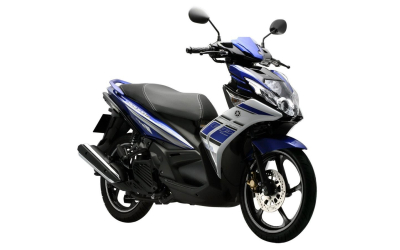
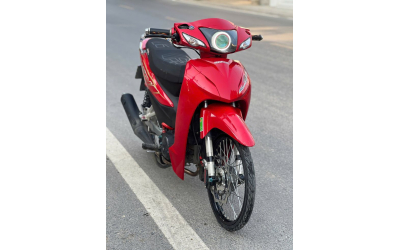
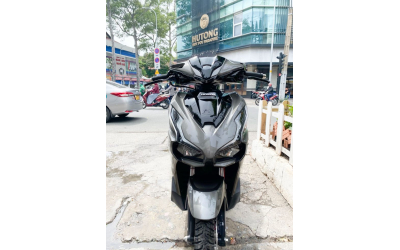
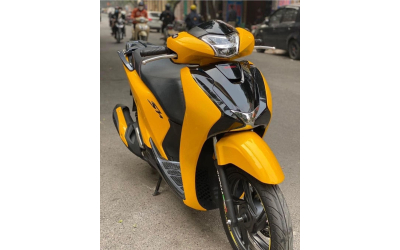
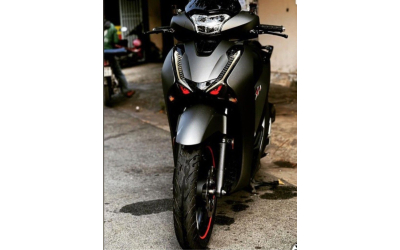
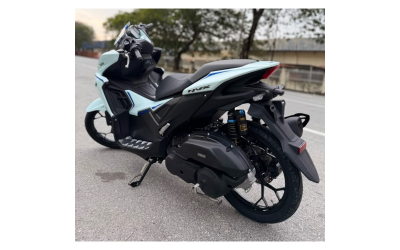
Semi-automatic Honda Wave- or Yamaha Sirius-type bikes are usually the budget choice. Standard automatic scooters cost more, while newer 150cc-class, manual-clutch, or performance-oriented motorcycles can move above the common 100,000-200,000 VND range.
Do not compare two rentals on headline price alone. Ask whether helmets, phone holder, rain gear, hotel delivery, roadside support, puncture help, damage responsibility, fuel policy, late return, and one-way arrangements are included.
A slightly higher price for a well-maintained bike with clear paperwork and responsive support can be better value than the cheapest scooter with uncertain tyres, brakes, or rental terms.
Bike type
Useful 2026 planning range
Best for
Main check
Basic semi-automatic
100,000-130,000 VND/day
Budget local and dune access for experienced riders
Tyres, brakes, chain, lights
Standard automatic scooter
150,000-200,000 VND/day
Easy controls for experienced scooter riders
Brakes, tyres, CVT response, storage
150cc+ / manual / premium
200,000-300,000 VND/day
Skilled riders planning longer roads
Licence class, insurance, condition
Multi-day rental
Often discounted by shop
Travellers staying several days
24-hour clock, deposit, return terms
Planning note: Price references were checked in August 2026 and are planning ranges, not guaranteed quotes. Holidays, season, model availability, delivery, and rental length can change the final rate.
3. Choose the right bike: automatic, semi-automatic, or manual?
Semi-automatic bikes are common and economical in Vietnam, while automatic scooters may feel simpler for riders already used to twist-and-go controls.
Photo: Lost Cosmonauts / Wikimedia Commons (CC BY-SA 4.0). Cropped for an 850 × 500 px display box.
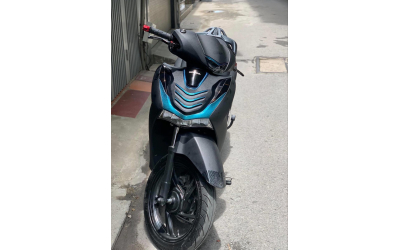
For riders who already use scooters at home or elsewhere in Asia, a small automatic can be the simplest choice for repeated stops along the resort strip. There is no manual shifting, and under-seat storage is useful for a light layer, water, or a small day bag.
A semi-automatic is often lighter and cheaper. It suits riders already comfortable with foot shifting and can be practical for the Fishing Village, Fairy Stream, Phan Thiet, and the paved route toward the dunes.
Manual-clutch and higher-powered motorcycles should be chosen for genuine riding ability, not because the White Sand Dunes sound adventurous. More power does not fix poor braking or cornering technique, and a different engine class can affect whether your licence and insurance cover the bike.
Do not ride a normal rental scooter onto soft dune sand unless the rental provider specifically allows that use and the area legally permits it. Sand can quickly remove traction, overheat a small scooter, damage drive components, and create a recovery problem. Use designated jeep or ATV services for dune-surface activities instead.
Bike format
Advantages
Best use
Avoid when
Automatic scooter
Simple controls, storage, comfortable stop-start pace
4. Licence, IDP, insurance, deposits, and rental paperwork
A rental shop handing over a bike does not replace the need for the correct licence, recognised permit, insurance, helmet, and lawful road use.
Photo: gtknj / Wikimedia Commons (CC BY 2.0). Cropped for an 850 × 500 px display box.
Do not assume that a shop willing to rent you a motorbike means you are legally entitled to ride it. The valid combination depends on your national licence, the motorcycle class, and whether the International Driving Permit or other recognised documentation for your country applies in Vietnam.
Current UK travel advice gives a clear example: British visitors need both a 1968 International Driving Permit and their UK driving licence while driving a car or motorbike in Vietnam. It also states that driving without third-party insurance is illegal. Travellers with licences from other countries should verify their own official requirements before riding.
Vietnam’s current framework for testing, national driving licences, and international driving permits is set out under Circular 108/2026/TT-BCA, issued 29 June 2026 and effective from 1 July 2026. Because recognition and vehicle classes can be nationality-specific, use official guidance rather than relying on an old blog or a verbal rental-shop assurance.
Ask for a written or digital rental agreement showing the bike, return time, deposit, damage policy, and support contact. Current UK advice also warns travellers not to use their original passport as a vehicle-hire deposit. Offer a photocopy or another documented arrangement accepted by the provider instead.
Carry the national licence and recognised permit required for your situation.
Confirm your travel insurance covers motorcycle riding and the engine class you rent.
Ask what third-party insurance applies to the motorbike.
Avoid handing over your original passport as a deposit.
Keep the rental contract, shop phone number, and bike documents supplied by the operator accessible.
5. Inspect the motorbike before you leave the shop
Photograph existing damage and test tyres, brakes, lights, horn, mirrors, throttle, fuel level, and helmet before leaving the rental shop.
Photo: Peachyeung316 / Wikimedia Commons (CC BY-SA 4.0). Cropped for an 850 × 500 px display box.
A clear handover is one of the best ways to reduce both safety problems and damage disputes. Walk around the bike before starting, photograph every existing scratch or cracked panel, and make sure the rental provider acknowledges what you record.
Test both brakes at low speed. Check tyre tread and obvious pressure, sidewall damage, lights, indicators, horn, mirrors, steering, throttle return, stand, fuel level, and visible leaks. On a semi-automatic or manual bike, listen for abnormal chain noise and make sure shifting feels normal.
The helmet is part of the safety check. Choose one that fits securely, closes properly, and has no obvious impact damage or weak strap. If the provided helmet is loose or damaged, ask for another before the rental begins.
Ask what happens after a puncture, battery problem, lost key, minor crash, or breakdown near the dunes. Save the support number in your phone and keep enough battery for navigation and calls.
Check
What to look for
Tyres
Tread, pressure, sidewall condition, no obvious puncture issue
Brakes
Front and rear response without grinding or excessive lever travel
Lights and horn
Headlight, brake light, turn signals, horn working
Steering and mirrors
No binding; mirrors stable and useful
Body condition
Photograph scratches, broken panels, bent levers, cracked lenses
Fuel / battery / key
Confirm level, start reliability, key or smart-key operation
Helmet
Correct fit, secure strap, no visible impact damage
Support
Rental agreement, shop phone, breakdown and return procedure
6. Ride north to Red Sand Dunes, Hon Rom, and White Sand Dunes
White Sand Dunes sit farther from the resort strip than Mui Ne’s local sights, making daylight, fuel, wind, heat, and return timing important.
Photo: Erwin Verbruggen / Wikimedia Commons (CC BY-SA 2.0). Cropped for an 850 × 500 px display box.
The dune direction is the signature longer ride from Mui Ne. The Red Sand Dunes sit closer to the main resort area, while the White Sand Dunes are farther northeast and can be roughly 25-35 km from much of the tourist strip depending on your starting hotel and route.
This is a road ride first and a dune visit second. Leave with enough fuel, water, sun protection, a charged phone, and daylight margin for the return. Strong sun and wind can increase fatigue even when the road distance appears modest.
Watch for sand blown onto the road, especially near exposed coastal sections and dune entrances. Loose sand reduces motorcycle grip sharply, so brake and turn more gently than you would on clean asphalt.
Do not confuse the paved access road with permission to ride onto the dunes. The popular dune-surface experience is normally handled by designated jeeps or ATVs. If the goal is sunrise, sunset, or several dune stops without riding responsibility, the Vietnam Travelers Jeep Tour follows White Sand Dunes, Red Sand Dunes, Fishing Village, Fairy Stream, and additional photo stops.
Start early for cooler temperatures and better daylight margins.
Refuel before the longer northeast section rather than relying on the last possible stop.
Slow down where sand has blown across the road.
Use a designated jeep or ATV for dune-surface activity rather than taking a normal rental scooter into soft sand.
Turn back if wind, rain, visibility, bike condition, or rider fatigue deteriorates.
7. Fishing Village and Fairy Stream: the easiest local loop
Mui Ne Fishing Village works naturally with a short local loop that can continue toward the Fairy Stream without turning the day into a long-distance ride.
Photo: Michel Coutty / Wikimedia Commons (Public Domain Mark). Cropped for an 850 × 500 px display box.
For a first rental day, the Fishing Village and Fairy Stream make more sense than immediately committing to the White Sand Dunes. The ride is shorter, navigation is simpler, and you can spend more time off the bike learning how Mui Ne’s local life fits together.
The Fishing Village is most atmospheric around the active morning period, when boats, basket boats, seafood handling, and shoreline trade create a very different scene from the resort strip. Park responsibly and avoid blocking working areas.
Fairy Stream is a walking stop, not a riding attraction. Use the motorbike to reach the access area, then leave it in an appropriate parking place and continue on foot. Protect valuables and confirm the parking arrangement before walking away from the bike.
If you want local context rather than simply arriving and taking photos, Vietnam Travelers offers a dedicated Mui Ne Fish Market & Fishing Village Experience. The Jeep Tour also combines the Fishing Village and Fairy Stream with the dunes.
05:30Optional early start for the fishing activity and cooler roads.
06:00Fishing Village / market-area stop; park without obstructing local work.
07:30Breakfast or coffee along the resort corridor.
08:30Ride to Fairy Stream, park, and continue the stream visit on foot.
10:30Return to the hotel before stronger midday heat or extend only if energy remains.
Po Sah Inu adds Cham heritage to a southbound ride toward Phan Thiet, balancing coastal scenery with a meaningful cultural stop.
Photo: Dongson*vmvn / Wikimedia Commons (CC BY-SA 3.0). Cropped for an 850 × 500 px display box.
A southbound ride changes the character of the day. Instead of open dune landscapes, you move toward denser Phan Thiet traffic, city junctions, local markets, and Cham heritage at Po Sah Inu.
Po Sah Inu works well as the main cultural anchor. Give the site enough time rather than trying to stack too many city stops around it. Modest clothing, respectful behaviour, water, and sun protection make the visit more comfortable.
Traffic becomes more complex as you approach Phan Thiet. Keep your lane position predictable, leave extra braking space, and do not copy local riders who filter through gaps faster than your own comfort level allows.
If the day continues beyond the city toward Ta Cu or Ke Ga, treat that as a longer regional ride rather than a casual extension. Vietnam Travelers’ Ta Cu Mountain & Ke Ga Lighthouse route also includes Po Sah Inu, Van Thuy Tu, and a dragon fruit farm, which shows how much can fit into a supported full day without requiring the traveller to manage every road and parking decision.
Use Po Sah Inu as the main heritage stop rather than racing between many attractions.
Expect denser traffic approaching central Phan Thiet.
Use attended parking where available and keep the parking ticket.
Return before dark unless you are highly experienced and the route is familiar.
9. Longer coastal rides: Ke Ga, Ta Cu, wind, heat, and road habits
Ke Ga is a longer coastal outing from Mui Ne, best treated as a dedicated daylight ride with weather, fatigue, and return distance built into the plan.
Photo: Vietnam Photo Tours | An Bui / Wikimedia Commons (CC BY 2.0). Cropped for an 850 × 500 px display box.
Ke Ga and Ta Cu move the rental day beyond simple local sightseeing. The distance, faster road sections, heat, and return time increase fatigue, so plan one clear route instead of adding every attraction south of Phan Thiet.
Ke Ga Lighthouse is best treated as a dedicated coastal objective. The final lighthouse visit can involve a boat or canoe arrangement depending on current operations, so the motorbike only solves the road portion of the day. Confirm how access works before riding all the way south.
Ta Cu adds mountain scenery and a different activity rhythm. Current attraction access, cable-car operations, weather, and parking should be checked before departure. A supported itinerary can combine Ta Cu, Ke Ga, dragon fruit farms, Van Thuy Tu, and Po Sah Inu without putting the navigation burden on the rider.
Wind is a serious Mui Ne planning variable. A strong crosswind can make an exposed road more tiring, while rain, wet sand, standing water, and reduced visibility change braking distance. Current UK advice also warns that drink-driving rules are strict: any alcohol in your system can lead to penalties. Use zero alcohol on every riding day.
Wear a properly fastened helmet for every ride.
Use zero alcohol before riding.
Slow down on loose sand, wet paint, bridge joints, and standing water.
Keep fuel, phone battery, support number, and daylight margins in reserve.
Stop rather than forcing the plan when wind, rain, fatigue, or visibility becomes unsafe.
Mui Ne’s wind, sun, beach activity, and changing coastal conditions are reminders to keep riding plans flexible rather than forcing a fixed schedule.
Photo: Vyacheslav Argenberg / Wikimedia Commons (CC BY 4.0). Cropped for an 850 × 500 px display box.
How much is motorbike rental in Mui Ne per day?
For 2026 planning, many common rentals fall around 100,000-200,000 VND per day. Semi-automatic bikes are often near the lower end, standard automatics usually cost more, and premium, manual-clutch, or higher-powered motorcycles can reach roughly 200,000-300,000 VND or more. Confirm the exact model, 24-hour return clock, deposit, delivery fee, and damage terms.
Do tourists need an International Driving Permit in Mui Ne?
The correct documents depend on your nationality, national licence, motorcycle class, and the international permit recognised for your situation. UK guidance, for example, requires British visitors to carry both a 1968 IDP and their UK licence. Travellers from other countries should verify current official requirements before riding.
Should I leave my passport as a motorbike deposit?
Avoid handing over your original passport as a vehicle-hire deposit. Current UK travel advice specifically warns against this. Ask the rental provider for a documented cash deposit, photocopy of identification, or another accepted alternative.
Can I ride a normal rental scooter on the White Sand Dunes?
Use a normal rental scooter for the paved access route only unless the provider and local rules explicitly allow something different. Soft dune sand is a poor surface for ordinary scooters and can cause traction, overheating, damage, and recovery problems. Use designated jeep or ATV services for dune-surface activity.
What is the easiest first motorbike route in Mui Ne?
For an experienced rider who is properly licensed and insured, the Fishing Village and Fairy Stream create a practical first loop because the road commitment is shorter than the White Sand Dunes. Use the first ride to learn the rental bike before adding a long northeast or southbound route.
What if I am not confident self-riding?
Choose a private jeep, private car, guided adventure experience, or custom Mui Ne itinerary. You can still reach the dunes, Fishing Village, Fairy Stream, Po Sah Inu, Ta Cu, and Ke Ga without taking on the legal and traffic responsibility of self-driving.
Final rental check: Confirm the exact bike, licence and permit requirements, insurance, deposit, return time, helmet, condition photos, support number, fuel plan, weather, and daylight before you ride.
Prefer a supported Mui Ne day?
Share your riding experience, hotel, dates, preferred sights, and comfort level. Vietnam Travelers can shape a private Mui Ne route with a jeep, driver, guide, or custom transport plan when self-riding is not the best fit.
Image credits: All photographs are real, non-AI images selected from Wikimedia Commons. Each major heading uses a different photograph. Images are displayed in a consistent 850 × 500 px crop; author and licence details appear below each image.












.jpg?width=1200)


.jpg?width=1200)


