Motorbike rental in Phu Quoc gives independent travelers an efficient way to connect Duong Dong, west-coast beaches, pepper farms, southern attractions, and quieter island roads without arranging a car for every short move.
The island is less intimidating than central Ho Chi Minh City for many experienced riders, but “easy to rent” should not be confused with “safe or legal for everyone.” Tropical rain, unfamiliar road surfaces, long sunny days, parking, rental condition, and licence rules still matter.
A strong rental plan begins with the rider: choose a familiar bike, verify licence and insurance requirements, inspect it carefully, keep the first route simple, and use a guided or private alternative when experience or documents do not support self-riding.
This guide compares 2026 price references, bike types, licence and IDP checks, delivery options, inspection steps, practical south and north island routes, weather strategy, and alternatives available through Vietnam Travelers.
Quick summary: Published 2026 references place many Phu Quoc rentals around 100,000-200,000 VND per day, with larger or premium bikes higher. Confirm the exact model, rental clock, deposit, delivery, licence status, insurance, condition, and damage terms. If you are not already a confident motorcycle rider, choose a private or guided island option instead.
1. What does motorbike rental in Phu Quoc cost in 2026?
Rental prices vary by model, condition, rental length, season, delivery, deposit, and whether the bike will stay near Duong Dong or cover longer island routes.
There is no single island-wide rental tariff. Published 2026 references show meaningful variation by model age, engine size, condition, rental length, season, delivery, and whether the provider expects local resort use or longer island riding.
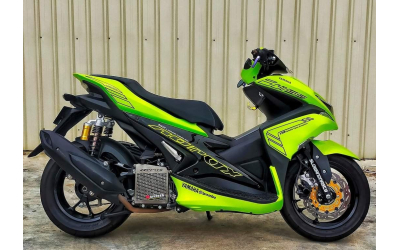
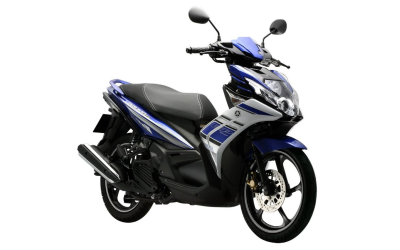
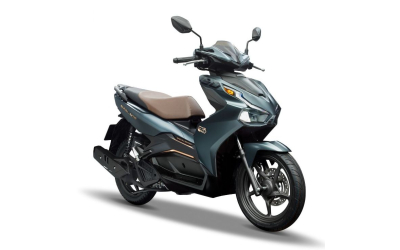
For planning, basic semi-automatic or commuter bikes commonly appear around 100,000-140,000 VND per day. Automatic scooters often sit around 130,000-200,000 VND per day. Larger, newer, premium, or touring-oriented models can move toward roughly 180,000-250,000 VND per day or more.
Treat those numbers as comparison references, not guaranteed quotes. A slightly higher price can be worthwhile when it includes a better helmet, newer tires, clear roadside support, documented damage terms, and delivery that does not pressure you into accepting the bike without an inspection.
Ask for the exact model and model year, not only “automatic” or “manual.”
Confirm whether a “day” means 24 hours or a calendar-day return time.
Check delivery, airport, hotel, late-return, fuel, and cleaning fees before paying.
Get the deposit and damage policy in writing, including what happens after a puncture or breakdown.
2. Choose a bike for island distances, not just the cheapest rate
Choose a familiar bike that remains comfortable on paved island roads, hotel-to-town trips, and longer south or north island days.
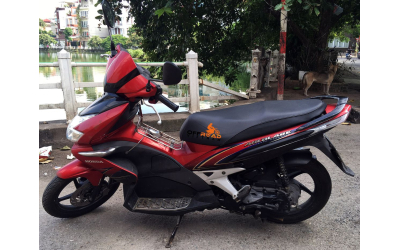
Phu Quoc rewards a motorcycle that feels familiar more than one that looks impressive. A light semi-automatic can be economical and easy to maneuver. An automatic scooter simplifies controls and gives useful storage. A larger scooter or manual motorcycle may improve comfort on a long day, but it adds weight, cost, and potentially different licence requirements.
Think about the full day before choosing. Two riders with bags, a beach stop, rain gear, and a north-island return create a different load from a solo breakfast ride in Duong Dong. Seat comfort, suspension, tire condition, mirrors, and storage matter after several hours.
Do not use central Phu Quoc as a place to learn a manual clutch or to rebuild basic motorcycle skills. If you are not already confident with the bike type, choose a simpler vehicle or a guided/private alternative.
Solo rider, short trips: a light familiar commuter bike may be enough.
Two riders or longer days: prioritize comfort, braking feel, tires, and storage.
Rainy periods: favor predictable controls and good tire tread over engine size.
Never choose a motorcycle category that your legal documents or insurer do not cover.
3. Check licence, IDP, insurance, and helmet before riding
Before riding to beaches or attractions, confirm that your licence, applicable IDP, motorcycle category, insurance, and helmet all match the trip you plan to make.
A rental agreement is not proof that you are legally entitled to ride. The rider is responsible for holding the licence category that applies to the motorcycle and for meeting the international-permit rules that apply to their nationality and licence-issuing country.
Vietnam’s current framework recognizes international driving permits according to the treaties Vietnam participates in. Where the 1968 Vienna Convention IDP framework applies to a traveler, the qualifying IDP should be carried together with the matching valid national driving licence and the correct motorcycle category.
Insurance deserves the same attention. A policy can exclude motorcycle riding when the rider lacks the required licence, exceeds an engine-size condition, does not wear a helmet, or participates in an excluded activity. Read the wording before assuming a rental shop’s insurance covers medical costs or third-party liability.
Carry the original valid national licence that matches the applicable IDP.
Confirm the motorcycle category and engine class you are allowed to ride.
Ask your insurer to confirm motorcycle coverage in writing when the wording is unclear.
Wear a properly fastened helmet and follow local traffic rules even on short beach trips.
4. Inspect the bike and write the handover terms down
A careful handover and short test ride matter before committing to a full island day or a remote beach stop.
Spend several minutes on the motorcycle before leaving the handover point. Check both brakes, tire tread and pressure, lights, indicators, horn, mirrors, steering, suspension feel, electric start, fuel level, and any visible cracks or scratches.
Record a slow 360-degree video with the engine off, then photograph existing marks, the fuel gauge, odometer, plate, and any accessories supplied. Confirm the roadside-support number and ask what the provider expects you to do after a flat tire, mechanical fault, accident, or lost key.
The contract or message thread should also state the return time, fuel expectation, deposit, delivery fee, late-return rule, and damage process. Prefer a documented deposit alternative when available rather than giving up an original travel document without understanding the consequences.
Squeeze both brakes separately and confirm the lever feel is firm and predictable.
Turn the handlebar fully left and right and check that steering is smooth.
Test lights, indicators, horn, mirrors, and starter before entering traffic.
Make a short low-speed test ride before committing to a remote or all-day route.
5. Airport and hotel delivery can save time - but inspect before accepting
Airport or hotel delivery can save time, but the meeting point, fee, inspection, return process, and rental clock should be agreed before arrival.
Delivery to Phu Quoc International Airport, Duong Dong, or a resort can remove a transfer and make arrival day easier. The convenience only helps when the meeting process is clear and you still have enough time and light to inspect the motorcycle properly.
Before the flight or ferry arrives, confirm the meeting point, contact number, delivery charge, documents required, payment method, exact model, and whether the return can happen at a different location. Ask when the rental clock starts; a late-afternoon handover should not automatically become a full extra calendar day unless that is the stated policy.
Avoid accepting a bike while tired, rushing to check in, or standing in a busy pickup lane. If the handover area does not allow a safe inspection, agree on a nearby hotel or quiet meeting point.
Save the provider’s phone/WhatsApp/Zalo contact before arrival.
Ask for a photo or plate number of the specific bike when possible.
Confirm airport or resort surcharges before the provider travels to you.
Schedule the first ride in daylight, especially after a long travel day.
6. Use Duong Dong and Long Beach as the easiest first ride
Duong Dong and the west-coast beach corridor make a sensible first ride for learning the bike, parking routine, traffic rhythm, and weather.
A short west-coast loop is a better first test than immediately crossing the island. Duong Dong, Dinh Cau, local food stops, and the Long Beach corridor give you time to learn the mirrors, throttle response, brakes, parking routine, and phone navigation without turning the first hour into a distance challenge.
Use this ride to judge whether the seat remains comfortable, the phone mount vibrates, the mirrors stay in position, and the engine restarts cleanly after a stop. If anything feels wrong, return to the provider while you are still nearby.
Parking can be informal at some small businesses and managed at larger attractions. Follow staff instructions, keep the parking ticket, lock the steering where appropriate, and do not leave passports, wallets, cameras, or phones in an open storage area.
Keep the first route short enough to return quickly if the bike has a problem.
Avoid your first ride during the busiest traffic period if possible.
Carry water and a light rain layer even on a bright morning.
Use a proper phone holder or stop safely before checking navigation.
7. South Island: Sao Beach, Ho Quoc Pagoda, and An Thoi need a full-day pace
A south-island ride works best as an unhurried day with enough time for Sao Beach, cultural stops, An Thoi, breaks, and a daylight return.
South Phu Quoc can turn a rental into a satisfying full-day journey because beach, cultural, and coastal stops sit in the same broad direction. The day works best when you leave early, choose only a few priorities, and protect enough daylight for the return.
Sao Beach is an obvious anchor. Ho Quoc Pagoda adds a respectful cultural stop, while An Thoi opens access to the southern island zone. The exact road, weather, construction, and attraction access should be checked on the day rather than assumed from an older travel map.
Dress appropriately for religious sites, park only where instructed, and avoid forcing a long final detour just because it appears close on a map. If you want Hon Thom, cable-car, snorkeling, or boat time, a structured tour can be more efficient than combining those fixed-timing activities with a self-ride.
Start with a full tank and leave enough time for food, beach stops, and slow traffic.
Protect daylight for the return rather than treating the loop as a speed target.
Recheck rain radar or local weather before leaving the south coast.
Use a tour on days dominated by cable-car, boat, or snorkeling logistics.
8. North Island: pepper farms, forest-edge roads, and fishing communities reward slower riding
North-island planning can combine pepper farms, quieter landscapes, fishing communities, and forest-edge roads when surface and weather conditions are suitable.
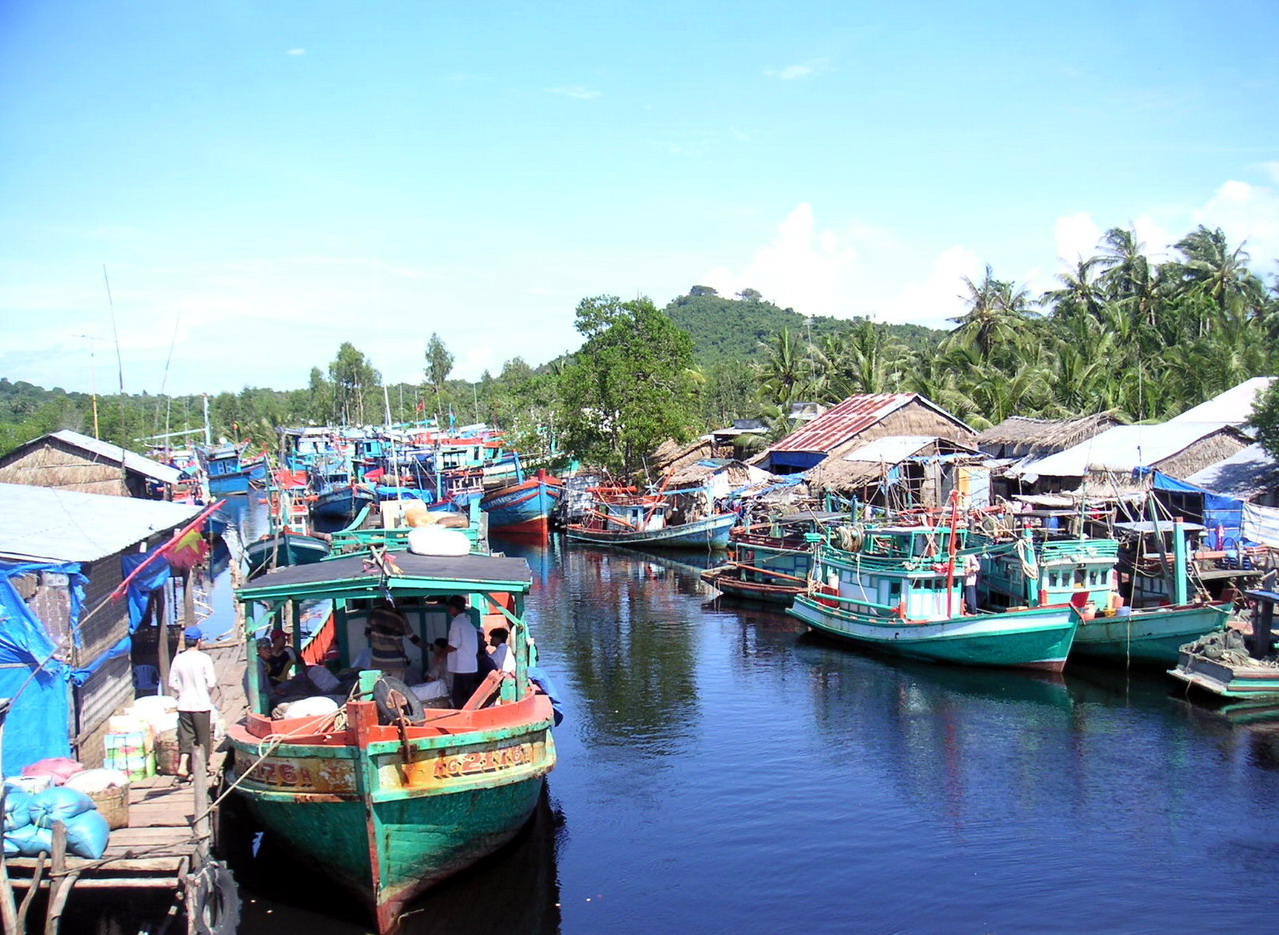
North-island riding feels different from a resort corridor. Pepper farms, quieter landscapes, fishing communities, and forest-edge roads encourage more stops and slower observation, but surface quality and weather can vary by route and season.
Do not assume every road shown by a navigation app is equally suitable for a rental scooter. After heavy rain, unpaved or damaged sections can become slippery and time-consuming. Ask locally about the exact road before committing to a remote shortcut.
Keep the route conservative if you are also visiting major northern attractions. A day that mixes rural stops with VinWonders or Grand World can become rushed once parking, meals, queues, and a return ride are included. When the schedule matters more than riding freedom, private transport may be the better tool.
Use main paved roads when you do not know the condition of a shortcut.
Carry enough fuel and do not plan the last refuel for the most remote part of the day.
Respect farms and fishing communities as working places, not staged photo sets.
Turn back early if rain, road surface, fatigue, or fading light begins to change the risk.
9. Rain, parking, fuel, and phone navigation matter more than distance
Fuel, rain, parking, navigation, and return timing become more important once a simple beach ride turns into a longer island loop.
Phu Quoc distances can look modest on a map, but an island day is shaped by rain, stops, traffic, road surface, parking, food, and how often you check directions. Build time around those practical details instead of measuring the day only in kilometers.
A tropical shower can arrive quickly. Reduce speed before the road becomes fully wet, increase following distance, and avoid abrupt braking on painted markings, metal surfaces, loose sand, or muddy shoulders. If visibility collapses, stop somewhere safe rather than trying to outrun the rain.
Navigation is useful only when it does not become a distraction. Set the destination before moving, use voice prompts or a secure mount, and stop safely for route changes. Refuel before a long south or north leg and keep the rental provider’s support number available offline.
Keep a light waterproof layer and a dry pouch for phone, passport copy, and cash.
Photograph the parking location and keep any ticket separate from the bike key.
Do not hold a phone while riding; stop completely before re-routing.
Return earlier than the contractual deadline so traffic or rain does not create a late fee.
The best rental plan is the one that gets you back comfortably before fatigue, darkness, weather, or unfamiliar roads begin to outweigh the freedom of self-riding.
1. How much is motorbike rental in Phu Quoc?
Published 2026 references vary by model and terms. Basic commuter bikes commonly appear around 100,000-140,000 VND per day, common automatic scooters around 130,000-200,000 VND, and larger or premium models can reach roughly 180,000-250,000 VND per day or more.
2. What is the best motorbike for Phu Quoc?
Choose the type you already ride confidently. A light semi-automatic is economical, while an automatic scooter simplifies controls and storage. Comfort, brakes, tires, and legal licence category matter more than engine size.
3. Do foreigners need an IDP to ride in Phu Quoc?
The answer depends on the licence framework that applies to the traveler. Where the 1968 Vienna Convention IDP framework applies, carry the qualifying IDP together with the matching valid national licence and correct motorcycle category.
4. Can a beginner rent a scooter in Phu Quoc?
A shop may be willing to rent one, but that does not make the rider experienced, legal, or insured. Travelers without solid motorcycle skills should choose a driver, jeep, private car, taxi, or guided alternative.
5. Should I leave my original passport as a deposit?
Prefer a documented cash, card, or other deposit alternative when the provider accepts it. If a business asks to hold an original passport, understand the terms and consider another provider if you are uncomfortable with losing access to the document.
6. Can a rental bike be delivered to Phu Quoc Airport or my hotel?
Many providers offer delivery or meeting-point handover. Confirm the fee, exact meeting point, inspection process, start time of the rental, return location, and contact number before arrival.
7. Can I ride to Sao Beach and An Thoi in one day?
Yes for many confident riders when weather, road conditions, legal documents, and the rental agreement are suitable. Leave early, limit stops, and protect daylight for the return.
8. Is the north of Phu Quoc suitable for scooters?
Main paved roads can suit experienced riders, but road surfaces and weather can vary. Avoid assuming that a navigation shortcut is scooter-friendly, especially after rain.
9. What should I inspect before leaving the rental provider?
Check tires, both brakes, lights, indicators, horn, mirrors, steering, suspension feel, starter, fuel level, visible damage, documents, and support details. Record a 360-degree video before departure.
10. What is the best alternative if I do not want to self-ride?
Use a private jeep, car-based day tour, taxi, hotel transfer, or guided island program. Vietnam Travelers offers Phu Quoc tours that preserve the same beach and sightseeing goals without requiring you to ride.
Plan a Phu Quoc route that matches your riding experience
Share your dates, riding experience, preferred bike type, hotel area, and whether you want a west-coast test ride, south-island day, north-island loop, or a non-riding alternative.














.jpg)


