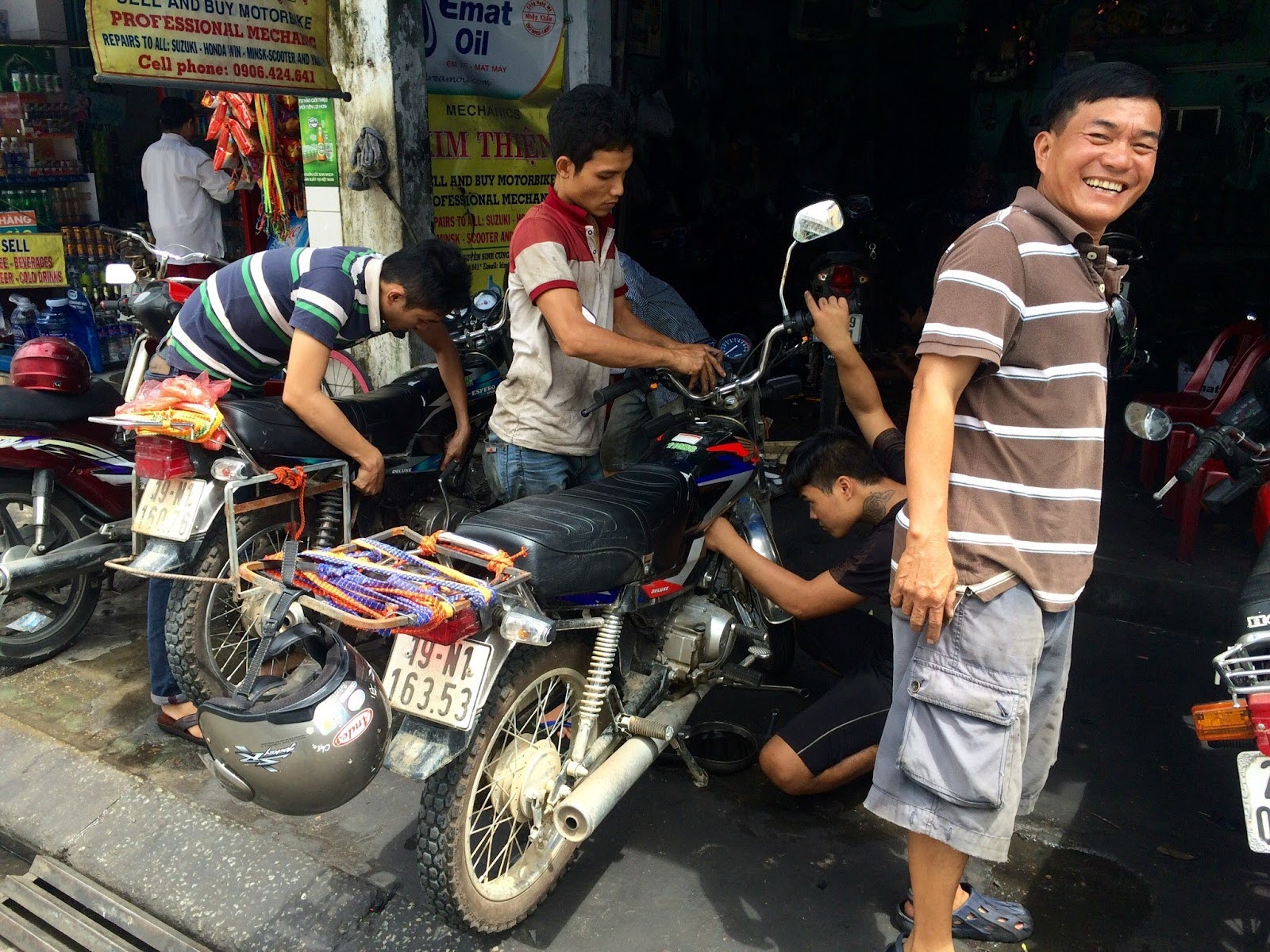
Motorbike rental in Ho Chi Minh City gives experienced riders unusual freedom to move between neighborhoods, food stops, historic districts, and longer southern day-trip routes without rebuilding the day around car transfers.
That freedom comes with a higher preparation threshold than in a quiet beach town. Dense scooter traffic, buses, one-way streets, sudden rain, parking logistics, and licence requirements all matter before the first kilometer.
A good rental decision therefore starts with the rider rather than the motorcycle. Choose a bike you already understand, verify the legal and insurance position, inspect it carefully, and keep the first route simple enough to learn the city’s rhythm.
This guide compares current published price references, bike types, licence and IDP rules, pickup choices, traffic strategy, Củ Chi and Cần Giờ day rides, parking habits, and guided alternatives when self-riding is not the right fit.
Quick summary: Published city examples put many common 110–155cc rentals around 150,000–250,000 VND per day, while touring and larger motorcycles cost more. Confirm the exact bike, deposit, delivery, legal licence status, insurance, and damage policy before payment. If you are not already confident in dense scooter traffic, use a guided motorbike experience instead of learning in central Saigon.
1. What does motorbike rental in Ho Chi Minh City cost in 2026?
Daily rental price depends on the exact bike, age, condition, rental length, deposit, and whether the motorcycle is for city use or touring.
There is no single citywide rental tariff. Current published examples from Ho Chi Minh City operators show a wide spread based on model age, engine size, condition, city-only use, touring use, and rental length.
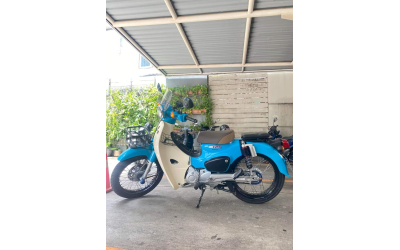
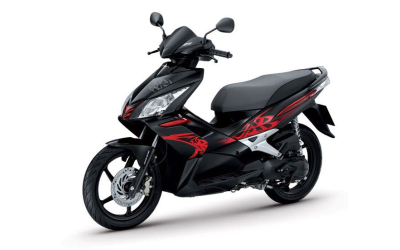
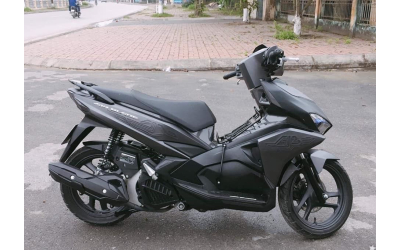
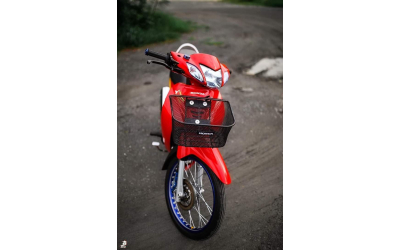
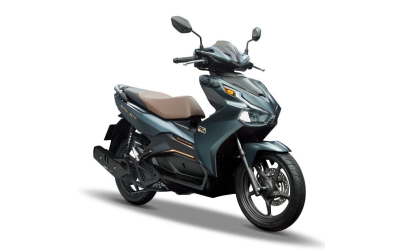
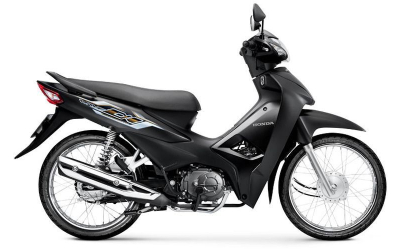
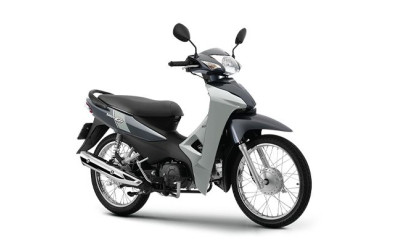
For planning, basic semi-automatic bikes such as a Honda Wave can appear around 150,000–170,000 VND per day. Common automatic scooters often sit around 170,000–250,000 VND per day, while manual models and touring-ready motorcycles move higher. Large adventure motorcycles can cost several times more than a commuter scooter.
Treat every number below as a reference, not a guaranteed quote. Ask for the exact model and total payable amount before you hand over a deposit.
Bike type
Published day reference
Best for
Main consideration
Basic semi-automatic
~150,000–170,000 VND
Experienced city riders on a budget
Gear changes; bike age and condition vary
Common automatic scooter
~170,000–250,000 VND
City convenience and luggage storage
Weight, wheel size, model age
Manual underbone / sport
~200,000–270,000+ VND
Riders already comfortable with clutch/gears
More work in stop-start traffic
Touring scooter / semi-auto
Around 300,000 VND
Longer out-of-city use
Higher deposit and touring terms
Adventure motorcycle
XR150 published at US$25/day; larger bikes much higher
Experienced touring riders
Licence class, deposit, luggage, maintenance
Ask whether the quote is for city use or touring outside Ho Chi Minh City.
Confirm whether the rental period is a calendar day or a 24-hour cycle.
2. Choose the right bike for Saigon traffic and longer rides
Choose a familiar bike type: light semi-automatics suit practical commuting, scooters simplify controls, and manual bikes require more experience.
In Ho Chi Minh City, familiarity matters more than engine size. A light semi-automatic motorcycle can be practical for riders who already understand foot shifting, while an automatic scooter removes gear changes and makes short urban trips simpler.
Automatic scooters are convenient in stop-start traffic, but a heavy scooter is not automatically easier for a smaller rider at low speed. Manual motorcycles add clutch control and can become tiring in congestion if you do not already ride them confidently.
For a first rental in Saigon, choose the type you already ride at home. A short test ride on a quiet street is more useful than choosing a more powerful bike because it looks better in photos.
Sit on the bike and confirm that you can put a foot down comfortably.
Test slow steering, front and rear brakes, throttle response, and mirror position.
If carrying a passenger, check rear foot pegs, suspension, and helmet fit for both people.
Do not learn clutch control or scooter balance for the first time in District 1 traffic.
3. Check licence, IDP, insurance, and helmet requirements
Legal riding status, the correct licence class, valid documents, insurance, and a properly fitted helmet should be checked before entering Saigon traffic.
A rental contract does not make a rider legally entitled to operate the motorcycle. Under Vietnam’s Road Traffic Order and Safety Law, a foreign International Driving Permit can be valid together with the matching national licence when issued under the 1968 Vienna Convention and when the licence category covers the vehicle being ridden.
The same law classifies Vietnamese motorcycle licences by vehicle category, including A1 for motorcycles up to 125 cc and A for motorcycles above 125 cc. Foreign travelers should verify how their own licence and IDP map to the motorcycle they intend to rent rather than relying on a rental counter’s verbal assurance.
Insurance can have its own licensing conditions. Ask your travel insurer in writing whether self-riding a motorcycle in Vietnam is covered, and use a correctly fastened, properly fitting motorcycle helmet for every ride.
Carry the valid national licence and IDP when your legal route requires both.
Match the licence entitlement to the motorcycle category you rent.
Confirm travel-insurance coverage before self-riding.
Keep passport data secure; prefer a documented cash/card deposit when a rental company allows it.
4. Inspect the bike, contract, deposit, and damage record before leaving
Inspect tires, brakes, lights, horn, mirrors, steering, fuel level, and visible damage before accepting a rental bike.
Spend five to ten minutes on the handover before you ride away. Begin with the tires: look for usable tread, normal inflation, and no obvious sidewall damage. Test the front and rear brakes independently and confirm that the handlebar turns smoothly without binding.
Check headlight, brake light, indicators, horn, mirrors, side stand, electric start, fuel cap, and dashboard. Then record a slow 360-degree video that clearly shows existing scratches, cracked panels, bent levers, and the fuel level.
The contract should identify the motorcycle, rental period, deposit, late-return terms, damage process, breakdown number, and any restrictions on leaving the city. Do not accept a safety-critical problem with a promise that it can be repaired later.
Photograph the plate, odometer, fuel gauge, and every visible scratch.
Ask what happens after a puncture, breakdown, accident, or police stop.
Confirm who pays for normal mechanical failure versus crash damage.
Save the rental provider’s phone number offline before leaving.
5. Plan pickup in District 1, at your hotel, or near Tân Sơn Nhất Airport
Hotel or airport delivery can save time, but the handover should still include a full inspection, contract review, and low-speed test ride.
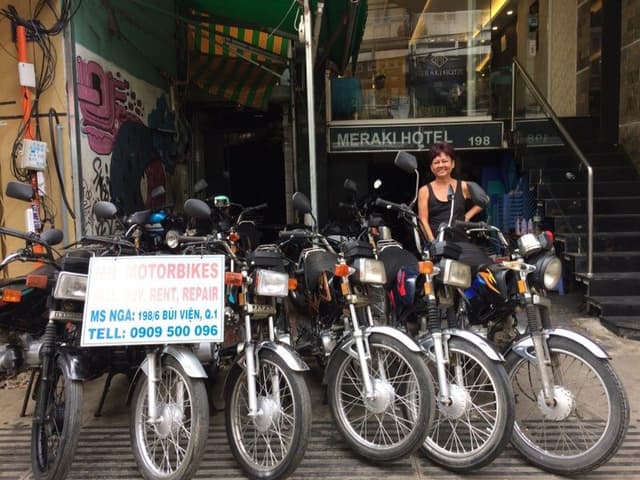
Delivery to a District 1 hotel or an agreed meeting point can be easier than carrying luggage across the city to a rental shop. Airport-area delivery can also save time, but only when the provider gives you enough time for a proper inspection and test ride.
Confirm the exact pickup address, delivery fee, return location, return hour, fuel requirement, and late fee. If you are arriving after a long flight, consider taking the bike the following morning rather than making your first Saigon ride tired and in unfamiliar traffic.
Ask the delivery rider to explain the steering lock, seat release, fuel cap, phone holder, and any security device before they leave.
Do not rush a handover because a driver is waiting.
Test the bike before adding luggage or a passenger.
Keep the rental agreement and emergency contact accessible on your phone.
Confirm whether one-way or out-of-city use is allowed.
6. Learn the traffic rhythm before crossing central Ho Chi Minh City
Rush-hour congestion can compress reaction time, so a first self-ride should begin outside the busiest periods and on familiar routes.
Saigon traffic is less about top speed than about constant observation. Motorcycles, cars, buses, delivery riders, pedestrians, and turning vehicles can all share the same space, and the flow changes quickly near major junctions.
For your first self-ride, avoid making a rush-hour cross-city trip the moment you receive the bike. Begin on a simple route outside the busiest period, keep a larger following distance than the surrounding flow may suggest, and make lane changes early rather than abruptly.
If you are not already an experienced motorcyclist, a guided passenger experience is a better way to understand the city than learning to ride in dense central traffic. Vietnam Travelers already features Saigon sightseeing and food experiences by local motorbike within longer itineraries.
Follow lights, signs, lane directions, and one-way rules rather than copying another rider.
Expect buses and cars to need more space and longer braking distance.
Do not use a phone in your hand while riding; stop safely before checking navigation.
When rain starts, reduce speed and avoid painted lines, metal covers, and sudden braking.
7. Use Củ Chi as a longer ride only after city traffic feels comfortable
A Củ Chi ride shifts from dense urban traffic to more open suburban and rural roads, making it a better full-day plan for riders already comfortable with the bike.
Củ Chi is a logical longer day from Ho Chi Minh City because the route gradually changes from dense urban roads to more open suburban and rural scenery. The ride is still not a beginner shortcut: you must first clear the city, share roads with larger vehicles, and manage a full-day return.
Start early enough to protect daylight, check weather before departure, and avoid turning the day into a speed target. A conservative plan leaves time for breaks, the tunnel visit, food, and an earlier return if rain or fatigue builds.
If you want the history without the riding workload, Vietnam Travelers has a one-day Củ Chi Tunnels and Ho Chi Minh City itinerary with hotel pickup and a structured sightseeing route.
Confirm that the rental agreement allows the bike to leave the city.
Refuel before the return leg rather than waiting for the tank to become low.
Avoid riding after dark on an unfamiliar outer-city route.
Choose the guided option if traffic stress would distract from the Củ Chi visit.
Cần Giờ offers a greener full-day direction from the city, combining ferry logistics, quieter roads, and mangrove landscapes.
Cần Giờ offers a different south-of-city ride built around mangroves, ferry logistics, and a more spacious landscape. It works best as a full-day plan rather than an add-on after a busy morning in central Ho Chi Minh City.
Check the day’s weather, ferry operation, fuel, and return time before leaving. Roads may feel calmer than central Saigon, but that is not a reason to ride faster; changing surfaces, local traffic, and wet conditions still require margin.
Travelers who want southern countryside without self-riding can also compare a private Mekong Delta day from Saigon. It preserves the rural contrast while removing the responsibility of navigating a rental bike.
Carry rain protection and drinking water.
Keep enough daylight for the final urban section back into the city.
Park only where instructed at attractions and ferry areas.
Do not build both Cần Giờ and another distant destination into the same rental day.
9. Build in parking, rain, fuel, and theft-prevention habits
Use staffed parking, keep the ticket, lock the bike as instructed, and never leave valuables visible when you step away from a rental motorbike.
A smooth rental day depends on what happens when you are not riding. In central Ho Chi Minh City, use staffed motorcycle parking when available, keep the parking ticket, and note where you left the bike before walking away.
Never leave a passport, wallet, camera, or loose phone visible on the motorcycle. Lock the steering as instructed and use any additional lock supplied by the rental company. During heavy rain, choose a safe place to stop rather than forcing navigation through poor visibility.
Fuel early, especially before an outer-city route, and build extra time into the day. Traffic, rain, a wrong turn, or a crowded parking lot can add more delay than the map suggests.
Route style
Typical time block
Traffic / logistics
Best suited to
Central Saigon
2–5 hours
Dense traffic, one-way streets, frequent parking
Experienced city riders
Củ Chi
Full day
Urban exit + suburban/rural roads
Confident riders with daylight buffer
Cần Giờ
Full day
Ferry + longer out-and-back road day
Confident riders who check weather/logistics
Guided motorbike city experience
Half day / evening
Local driver handles navigation
Travelers who want the experience without self-riding
Take a photo of the parking location if the lot is large.
Keep the parking ticket separate from the bike keys.
Carry a light rain layer even in bright morning weather.
Return before the agreed time so traffic delays do not become late fees.
The best Saigon rental plan matches the rider’s experience, legal status, traffic confidence, weather, and realistic daily distance.
1. How much is motorbike rental in Ho Chi Minh City?
Published examples vary widely. Common commuter bikes can start around 150,000–170,000 VND per day, many automatic scooters sit around 170,000–250,000 VND, and touring or larger motorcycles cost more.
2. What is the best motorbike for riding in Saigon?
The best choice is the type you already ride confidently. A light semi-automatic can be practical, while an automatic scooter simplifies controls. Avoid learning a manual clutch in dense traffic.
3. Do foreigners need an IDP to ride a motorbike in Vietnam?
Eligibility depends on the licence framework that applies to the traveler. Vietnam recognizes qualifying 1968 Vienna Convention IDPs together with the matching valid national licence and appropriate vehicle category.
4. Can a beginner rent a scooter in Ho Chi Minh City?
A shop may rent one, but central Saigon is a poor place to learn. Travelers without solid riding experience should choose a guided motorbike passenger experience or other transport.
5. Should I leave my passport as a motorbike deposit?
Prefer a documented cash or card deposit when the provider accepts it. If a shop asks to hold an original passport, understand the terms and consider another provider if you are uncomfortable.
6. Can a rental bike be delivered to Tân Sơn Nhất Airport or my hotel?
Many providers offer delivery or meeting-point handover. Confirm the exact fee, location, time, return process, and whether you can complete a full inspection before accepting the bike.
7. Can I ride a rented motorbike to Củ Chi?
Often yes when the rental agreement permits out-of-city use, but confirm this in writing. Plan a full day, protect daylight, and choose a guided tour if the urban exit is beyond your comfort level.
8. Is Cần Giờ suitable for a motorbike day trip?
It can be a good full-day option for confident riders. Check ferry operation, weather, fuel, daylight, and the rental company’s out-of-city terms before departure.
9. What should I inspect before leaving the rental shop?
Check tires, both brakes, lights, indicators, horn, mirrors, steering, fuel, electric start, visible damage, and the contract. Record a 360-degree video before departure.
10. What is the best alternative if I do not want to self-ride?
Use a guided local motorbike experience as a passenger or choose a private car-based day tour. Vietnam Travelers includes local motorbike experiences and private Củ Chi and Mekong routes.
Plan a Saigon ride that matches your experience
Share your dates, riding experience, preferred bike type, and whether you want a city ride, Củ Chi, Cần Giờ, or a guided alternative. Vietnam Travelers can shape the route around your pace.