







A Hanoi to Sapa bus gives travelers a direct road connection from the capital to Vietnam’s northern mountains. Most services reach central Sapa without a Lao Cai transfer.
The route has many departure times, vehicle styles, and pickup zones. Choosing the right combination matters more than choosing the first cheap ticket.
This guide explains boarding areas, schedule strategy, sleeper cabins, limousine vans, fares, luggage checks, and Sapa arrival planning. Live inventory should be checked before payment.
1. Choose a Hanoi Pickup Zone First
Tourists riding a public sightseeing bus in central Hanoi before traveling to Sapa
Hanoi departures do not use one universal bus station. Operators use Old Quarter offices, western city points, airport stops, and hotel collection zones.
Old Quarter pickups suit travelers staying around Hoan Kiem. Current listings use streets such as Luong Ngoc Quyen, Tran Nhat Duat, and Tran Quang Khai.
Other operators board farther west around Vo Chi Cong, Hoang Quoc Viet, or Pham Van Dong. These points can reduce cross-city driving before the expressway.
Some services also collect near Noi Bai Airport. Current Sao Viet information includes an airport pickup, but the exact meeting point must be confirmed.
A Hanoi to Sapa bus ticket should show the written address and check-in time. A city name alone is not enough for a busy departure morning.
Hotel pickup can be convenient, but it may use a feeder vehicle first. Ask whether the main coach comes directly to the hotel.
Travelers can useVietnam bus tickets for general booking policies. The route page should keep the commercial focus on this specific journey.
Hanoi area
Typical boarding style
Best suited to
Important check
Old Quarter
Office or hotel-area pickup
Central hotels and first-time visitors
Walking point or feeder pickup
West Hanoi
Operator office or roadside point
Cau Giay and Tay Ho stays
Travel time across the city
Noi Bai area
Selected airport pickup
Same-day flight arrivals
Terminal and waiting policy
Outer districts
Transfer to a main pickup
Local residents or private stays
Extra taxi or feeder cost
2. Choose the Schedule by Sapa Arrival Time
Tourists boarding a Sapa Express coach on the Hanoi to Sapa bus route
A useful Hanoi to Sapa bus schedule should be read from the arrival time backward. The best departure depends on the first plan in Sapa.
Morning buses usually suit travelers who prefer to stay awake. Current tourism guidance places the road journey at about five to six hours.
Afternoon departures can reach Sapa after dinner or late evening. They work well when the Hanoi morning is still needed for sightseeing.
Night sleepers often leave between about 21:00 and midnight. Current Vexere guidance shows arrivals commonly between 03:00 and 05:30.
That early arrival can save daytime travel, but hotel rooms may not be ready. Ask whether the operator allows passengers to remain briefly after arrival.
Sapa Express currently advertises departures from early morning through late night. Its own timetable also warns that traffic can shift the exact time.
Do not book trekking, a cable car plan, or a private tour immediately after the listed arrival. Mountain weather and road traffic can create delays.
Travelers starting farther south can compareNinh Binh to Sapa bus instead. That route avoids returning to Hanoi only for another departure.
Departure window
Typical Sapa arrival
Best use
Tradeoff
Early morning
Midday
Same-day hotel check-in
Uses most of the morning
Midday or afternoon
Evening
Keep the Hanoi morning free
Late Sapa check-in
Around 21:00-midnight
Early next morning
Save daytime travel
Very early arrival
Flexible premium service
Varies by operator
Travel around another booking
Higher fare possible
3. Compare Sleeper, Cabin, and Limousine Options
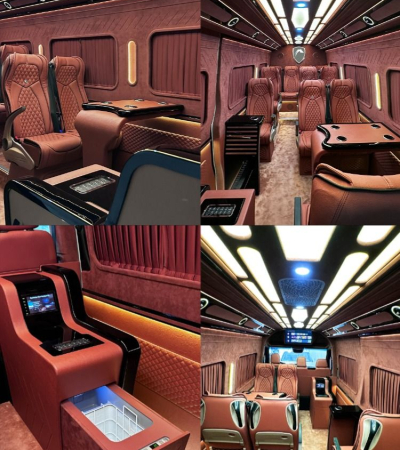
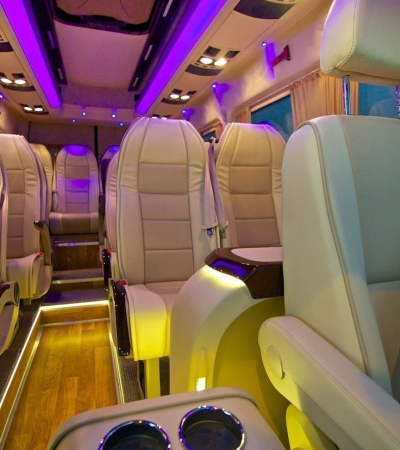
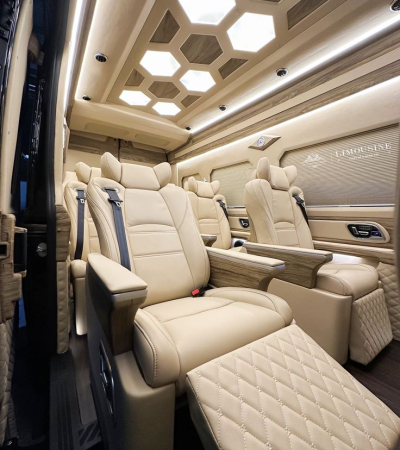
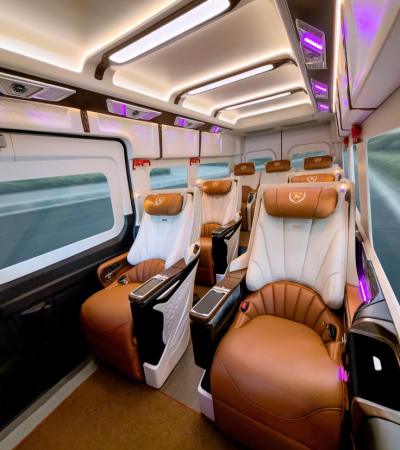
Tourists traveling on a 28 seat limousine bus from Hanoi to Sapa
A sleeper bus Hanoi to Sapa service uses reclining berths instead of normal upright seats. Standard sleepers remain the most common budget choice.
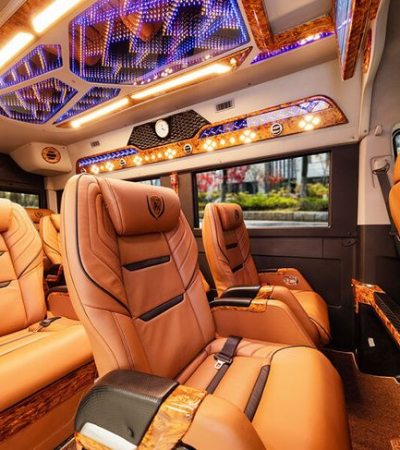
VIP cabin buses add more separation around each berth. Curtains, screens, charging ports, and wider beds vary between operators and vehicle models.
Current Vexere guidance lists standard sleeper fares around 250,000 to 380,000 VND. Premium cabins can cost more depending on the chosen service.
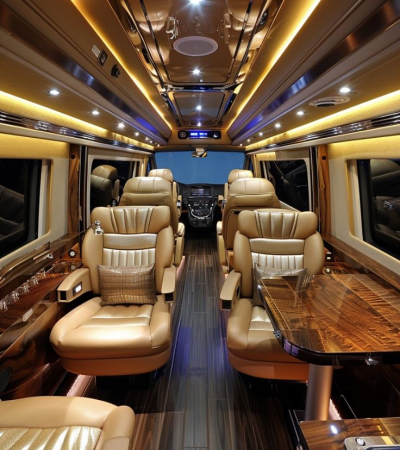
The phrase Hanoi to Sapa limousine can mean a seated luxury van. It can also appear in marketing for an upgraded sleeper coach.
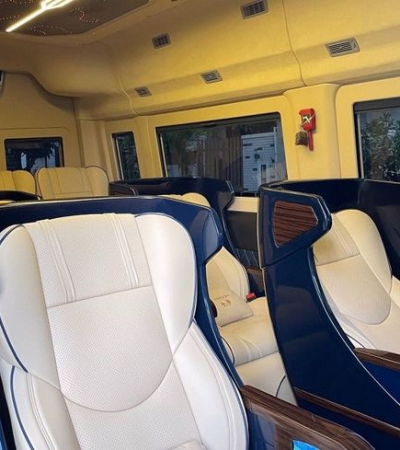
A seated limousine van works well for daytime travel. Vietnam Tourism currently mentions comfortable limo vans taking about five to six hours from downtown Hanoi.
A limousine sleeper is a different product. Travelers should check whether the reservation provides a seat, a single berth, or a private cabin.
Vehicle photos provide more value than the word VIP. Toilet availability, double cabins, massage seats, and entertainment systems are not universal.
Sao Viet currently advertises sleeper services with selected onboard toilet options. Other operators may rely on scheduled rest stops instead.
Tall travelers should ask about berth dimensions. Passengers with limited mobility should request a lower berth when available.
Vehicle type
Best for
Main advantage
Confirm before booking
Standard sleeper
Budget overnight travel
Lower fare and reclining berth
Upper or lower berth
VIP cabin sleeper
Privacy and comfort
More enclosed personal space
Cabin size and amenities
Seated limousine van
Daytime travel
Fewer passengers and upright seating
Luggage capacity
Limousine sleeper
Premium overnight travel
Upgraded berth layout
Actual vehicle photos
4. Understand the Expressway and Mountain Arrival
Tourists boarding a long distance coach in the mountain region near Sapa Vietnam
The Hanoi to Sapa road journey usually uses the Noi Bai to Lao Cai expressway. The final section climbs from Lao Cai toward Sapa town.
Vietnam Tourism estimates regular buses and shuttle vans at about five to six hours. Current operator listings often show similar travel times.
The distance shown by platforms can vary because pickup points differ. Road calculations also change between Hanoi center, Noi Bai, and Sapa hotels.
The expressway section is relatively direct, but the final mountain approach is slower. Fog, rain, traffic, and roadworks can change the last hour.
Sapa town is compact, yet many hotels sit on steep streets. A central bus office can still require a short taxi ride with heavy luggage.
Travelers staying in Ta Van, Lao Chai, or another valley should arrange onward transport. A bus ticket to Sapa does not automatically include rural hotel delivery.
The train is another route option, but trains stop at Lao Cai. Travelers then need a separate road transfer to reach Sapa town.
Groups wanting direct hotel control can compareHanoi to Sapa private car. Shared buses remain better for travelers prioritizing a lower per-person cost.
Journey stage
What to expect
Planning note
Hanoi collection
Office, hotel, or airport meeting
Allow time for city traffic
Expressway section
Long northwestern road segment
Rest stops depend on operator
Lao Cai approach
Transition toward mountain roads
Weather can slow progress
Sapa town arrival
Office or central drop-off
Valley hotels need another transfer
5. Check Ticket Prices and Booking Conditions
Current Vexere results place many Hanoi to Sapa fares between 250,000 and 570,000 VND. Vehicle class and promotions create the broad range.
Sapa Express listings currently sit roughly in the mid-range. Sao Viet references can run from about 310,000 to 500,000 VND.
These are market references checked in August 2026. They are not fixed GoVNTransport prices and should not replace a live quotation.
A cheaper ticket can use a more distant pickup point. A higher fare may include a cabin, hotel-area collection, or another comfort upgrade.
Travelers boarding a large coach in Hanoi for an intercity bus journey to Sapa
Review the complete booking before payment. The operator, pickup, Sapa stop, vehicle class, luggage rules, and change conditions should appear in writing.
Select the travel date and check the scheduled arrival date before paying.
Compare the Hanoi pickup point with the hotel, airport, or previous activity.
Confirm whether the ticket provides a seat, sleeper berth, or private cabin.
Check suitcase limits and request approval for bicycles or oversized equipment.
Save the voucher, operator contact, map pin, and support channel for offline use.
Arrive before the stated check-in time. Large pickup areas and feeder vehicles can leave little flexibility for late passengers.
Keep passports, money, medicine, phones, and electronics in hand luggage. Larger bags usually travel in the lower storage compartment.