








Vietnam Transport Guide: How to Get Around
Vietnam covers long distances, dense cities, mountain corridors, islands, and coastal destinations.
That variety makes transport planning more important than choosing one favorite mode for every journey.
A practical Vietnam transport guide should compare the whole trip, including transfers, luggage, timing, and final addresses.
Official Vietnam Tourism guidance lists flights, trains, buses, taxis, ferries, bicycles, and motorbikes among common options. Transport within Vietnam provides a national overview.
The best Vietnam travel transportation plan usually combines several modes instead of forcing one option across the entire itinerary.
1. Start With Distance, Time, and Trip Type

Double-decker tourist bus
Start with the real journey rather than the vehicle name. Distance alone does not decide the best option.
Airport access, station transfers, hotel location, luggage, and departure time can change the practical result.
A short regional route often favors a bus or private car. A long north-south jump may favor a flight or overnight train.
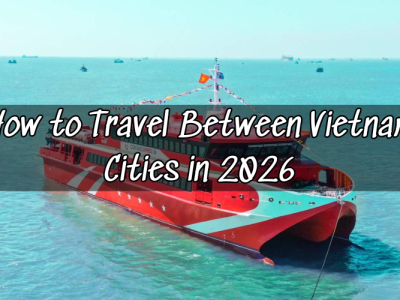
Island travel may require a flight, ferry, or both. City travel may use taxis, buses, walking, or ride services.
|
|
|
|
|
|
|
|
|
|
|
|
|
|
|
|
|
|
|
|
|
|
|
|
|
|
|
|
This approach keeps getting around Vietnam flexible. It also reduces unnecessary transfers between separate tickets.
2. Compare Vietnam Travel Transportation Modes

Explore Vietnam by train along its most beautiful coastal routes
Each transport mode solves a different problem. No single option is best for every traveler or route.
Domestic flights reduce travel time on long distances. Airports still require check-in, security, baggage handling, and ground transport.
Vietnam Airlines currently requires valid travel documents for domestic flights. Passengers should check airline rules before departure.
For current airline document guidance, review Vietnam Airlines domestic travel documents.
Trains provide city-center access on many routes and allow travelers to see more of the country. Sleeper berths can also replace one hotel night.
Vietnam Tourism highlights the north-south railway as a travel experience. See its Vietnam railway guide.
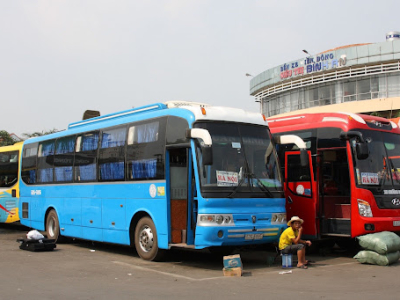
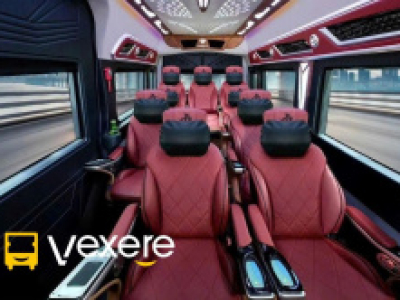
Intercity buses serve many routes that trains or flights do not cover directly. Sleeper buses and limousine vans offer different comfort levels.
GoVNTransport organizes shared road options under Vietnam bus tickets and Vietnam bus routes.
Private cars work well for families, groups, resorts, and routes with several planned stops. They also reduce repeated luggage handling.
Travelers needing door-to-door road transport can compare Vietnam car rental and private car routes.
|
|
|
|
|
|
|
|
|
|
|
|
|
|
|
|
|
|
|
|
|
|
|
|
|
|
|
|
|
|
|
|
3. Build a North, Central, and South Travel Plan

The cyclo is a traditional mode of transport that embodies the essence of old Vietnam
Vietnam becomes easier to plan when the itinerary uses regional transport blocks. Each region has different transfer patterns.
In the north, Hanoi often acts as the main air and rail gateway. Ninh Binh and Ha Long are practical road connections from the capital.
A private car can simplify hotel pickup for groups. Scheduled buses remain useful for travelers prioritizing lower cost.
Mountain destinations need more timing flexibility because road conditions can change. Travelers should avoid tight same-day flight connections.
Central Vietnam has several destinations within manageable road distance. Da Nang often connects easily with Hoi An and nearby coastal areas.
Trains are especially useful along the central coast. The Hue to Da Nang corridor also offers strong scenery.
In the south, Ho Chi Minh City is a major transport hub. Road travel works for nearby destinations, while flights suit distant regions and islands.
Mekong Delta trips may combine private cars, buses, ferries, and local boats. The final pier can matter as much as the city name.
|
|
|
|
|
|
|
|
|
|
|
|
|
|
|
|
|
|
|
|
A good Vietnam transport guide should therefore connect regional choices. It should not treat each ticket as an isolated purchase.
4. Plan Airports, Stations, Pickups, and Connections

Touring Vietnam by Jeep
Many transport problems happen before or after the main journey. The connection points deserve their own planning.
Airports can use different terminals, pickup lanes, and meeting areas. Travelers should confirm the terminal from the airline before travel.
For pre-arranged airport pickup, use the Vietnam airport transfers hub. It separates flight-arrival intent from general transport planning.
Train stations may sit near city centers, but the final hotel can still require a taxi. Bus offices can be far from traditional terminals.
Some bus services use hotel areas, company offices, or roadside pickup points. The booking should include a map pin when possible.
Travelers should build larger buffers before flights, cruises, and international connections. Road arrival estimates are never connection guarantees.
Domestic flight travelers also need valid identification and enough check-in time. Airline requirements should be checked again before departure.
Vietnam Airlines currently publishes its counter check-in guidance on travel document and check-in information.
|
|
|
|
|
|
|
|
|
|
|
|
|
|
|
|
|
|
|
|
|
|
|
|
5. Match Transport to Budget, Luggage, and Comfort

Explore Vietnam by motorbike across every route
The cheapest ticket is not always the cheapest complete journey. Extra taxis, baggage charges, transfers, and waiting time can change the total.
Solo travelers often gain value from trains, buses, and shared vans. Couples may balance shared transport with selected private transfers.
Families usually benefit from fewer vehicle changes. Child equipment, several suitcases, and hotel delivery can justify a private car.
Business travelers may value predictable pickup and direct routes more than the lowest fare. Written timing and vehicle details become important.
Travelers with limited mobility should check boarding height, station access, walking distance, and luggage assistance before payment.
Large luggage also changes local travel. A small ride-hailing car or motorbike may not match several suitcases.
Adult travelers considering two-wheel mobility can review Vietnam motorbike rental. Self-drive still requires valid legal eligibility and suitable road experience.
Weather can also change the best mode. Heavy rain, heat, mountain fog, or rough seas can make an enclosed option more practical.
|
|
|
|
|
|
|
|
|
|
|
|
|
|
|
|
|
|
|
|
|
|
|
|
|
|
|
|
6. Frequently asked questions
1. What is the best way of getting around Vietnam?
It depends on distance, time, luggage, and comfort. Most itineraries work best with a combination of transport modes.
2. Are flights better than trains for long journeys?
Flights usually save time. Trains can provide city-center access, overnight berths, and a more scenic travel experience.
3. Are buses useful for Vietnam travel transportation?
Yes. Buses serve many regional routes and destinations without direct rail or air links. Pickup points still require careful checking.
4. When is a private car worth using?
Private cars suit families, groups, bulky luggage, resort transfers, and routes with custom stops or difficult final addresses.
5. How should travelers plan transport connections?
Confirm terminals, stations, pickup points, luggage rules, and contact details. Add larger buffers before flights, cruises, or fixed onward departures.
References