









Motorbike Rental Requirements Vietnam: Licence, IDP, Insurance & Safety
Motorbike rental requirements Vietnam are easy to misunderstand because renting a bike and being legally entitled to ride it are two different things. Rental shops can be simple and informal, while the licence, permit, insurance and road-safety requirements that apply to the rider are not.
The correct setup depends on the motorcycle you choose and the documents issued by your own country. A traveler planning a 110cc scooter, a 125cc automatic and a 150cc touring motorcycle may face different licence-category and insurance questions even when all three are available from the same shop.
A responsible rental check therefore covers the rider, the motorcycle and the contract. Confirm your motorcycle entitlement, any recognized 1968 IDP requirement, vehicle registration, compulsory liability insurance, travel-insurance cover, helmet, mechanical condition, deposit and route permissions before you ride.
This guide explains the requirements in a practical order and distinguishes Vietnamese legal reference points from nationality-specific foreign-driver rules. Recheck official sources before publication and again before travel because transport rules and insurance terms can change.
1. Start with legal eligibility, not rental availability

The first motorbike rental requirement in Vietnam is not a shop requirement. It is your legal entitlement to operate the exact motorcycle on public roads. A shop may be willing to rent a scooter to a visitor, but that commercial transaction does not confirm that the rider has the correct licence category, a recognized international permit, or insurance cover.
For foreign visitors, the correct document combination depends on the country that issued the original licence and the international framework that applies to it. As one clear example, current UK government advice says UK licence holders need both a 1968 International Driving Permit and their UK driving licence when driving a car or motorbike in Vietnam. Travelers of other nationalities should verify their own issuing-country rules rather than copying the UK example.
Vietnamese law sets 18 as the minimum age for the A1 and A motorcycle licence categories. The law allows people from age 16 to operate mopeds, but tourists should not treat that as a universal shortcut: the vehicle classification, foreign-licence recognition and insurance position still need to be confirmed.
Before discussing price or deposit, write down four facts: your age, the motorcycle category printed on your national licence, the IDP or treaty framework available to you, and the engine size of the bike you plan to rent. If any one of those is unclear, resolve it before accepting the keys.
- Do not treat a rental shop’s willingness to hand over a bike as proof that you are legal to ride it.
- Confirm the motorcycle entitlement on your national licence, not only your car entitlement.
- Check the permit rules that apply to your nationality before arrival.
- Keep the original valid national licence with any recognized IDP while riding.
Related planning: Start with Vietnam Travelers bike-rental planning
2. Match your licence to the motorcycle you actually rent
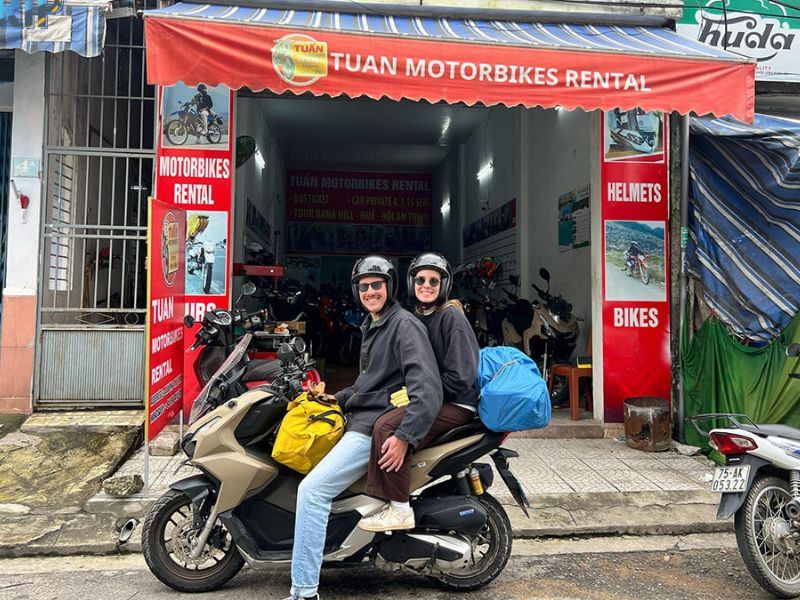
Vietnam’s current domestic licence categories provide a useful reference for understanding motorcycle size. Under the Road Traffic Order and Safety Law, Category A1 covers two-wheel motorcycles up to 125cc or electric motorcycles up to 11 kW. Category A covers motorcycles above 125cc or above 11 kW and also includes vehicles covered by A1.
For a foreign visitor, those Vietnamese categories do not magically convert a foreign car licence into a motorcycle licence. The practical question is whether your national licence and any recognized permit show a motorcycle category appropriate for the vehicle you want to ride. If your home licence is car-only, do not assume an IDP creates a motorcycle entitlement that the original licence does not contain.
A common 110cc or 125cc scooter may look modest, but it is still a motor vehicle with licensing and insurance consequences. Likewise, moving from a city scooter to a 150cc or larger touring motorcycle can move you into a different legal category and a different insurer requirement.
Ask the rental provider to write the model, engine capacity and plate number on the agreement. That makes it easier to compare the actual motorcycle against your licence and insurance before payment.
| Vehicle reference | Vietnamese category reference | What the traveler must verify | Common mistake |
|---|---|---|---|
| Moped / very small vehicle | Separate moped rules | Vehicle classification, age, foreign-document and insurer rules | Assuming “small engine” means no legal checks |
| Typical 110-125cc scooter | A1 reference: up to 125cc / 11 kW | Matching motorcycle entitlement + recognized permit framework | Using a car-only licence |
| Above 125cc motorcycle | A reference: above 125cc / 11 kW | Correct higher motorcycle category and insurance cover | Renting a bigger bike because it is available |
- Choose the smallest motorcycle that fits the route and your existing riding skill.
- Verify the engine capacity from the actual bike, not from an online category label.
- Check your insurer’s maximum engine-size or licence-category conditions.
- Do not learn manual clutch control in Vietnamese traffic just because a larger bike is offered.
Related planning: Compare active travel styles
3. Understand the 1968 IDP before you arrive
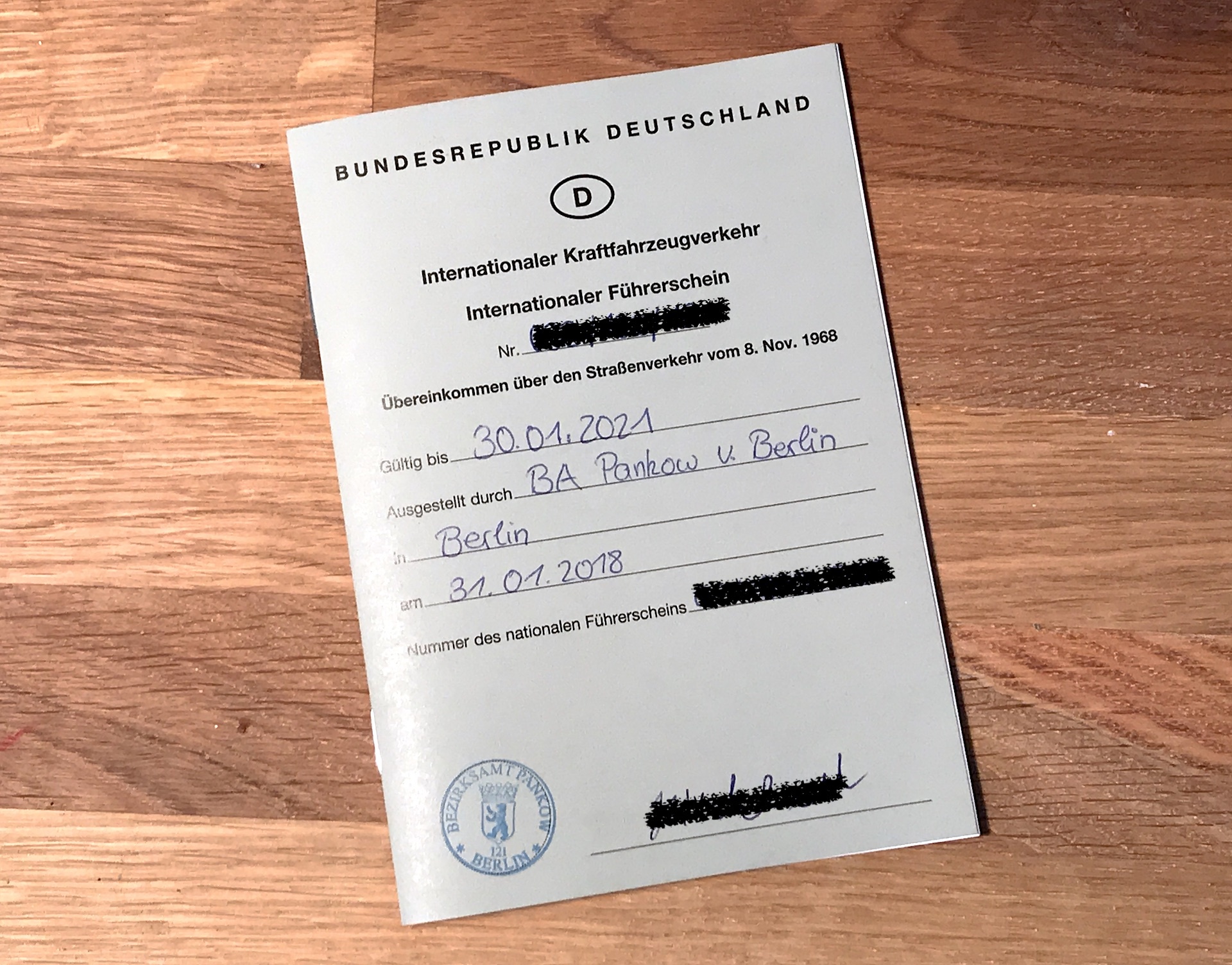
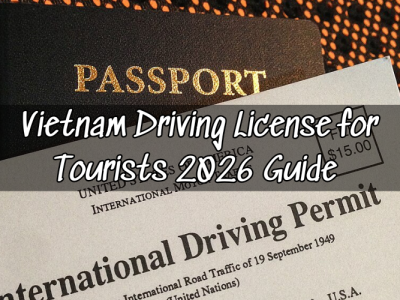
An International Driving Permit is a translated international-format permit linked to a national driving licence. It is not a stand-alone licence and it does not create a vehicle category that is missing from the original national licence.
Vietnam’s current rules recognize IDPs according to the international treaties to which Vietnam is a party. Circular 12/2025/TT-BCA specifically references IDPs under the 1968 Convention framework and states that recognition follows the applicable international treaty. That is why travelers should avoid generic advice such as “any IDP is fine.”
Where a recognized IDP applies, carry the physical permit together with the matching original national driving licence. Check that the motorcycle category is correctly represented. If the permit, licence, or category is unclear, ask the licensing authority in your home country or an official consular source before departure.
Do this before booking a non-refundable rental. A beautifully prepared route is useless if the legal document combination does not cover the motorcycle you planned to use.
- Confirm the convention/version of the IDP, not only the words “international permit.”
- Carry the IDP with the national licence it translates.
- Make sure the motorcycle category matches across the documents.
- Use nationality-specific official advice rather than relying on another traveler’s paperwork.
4. Check the bike’s registration and compulsory insurance
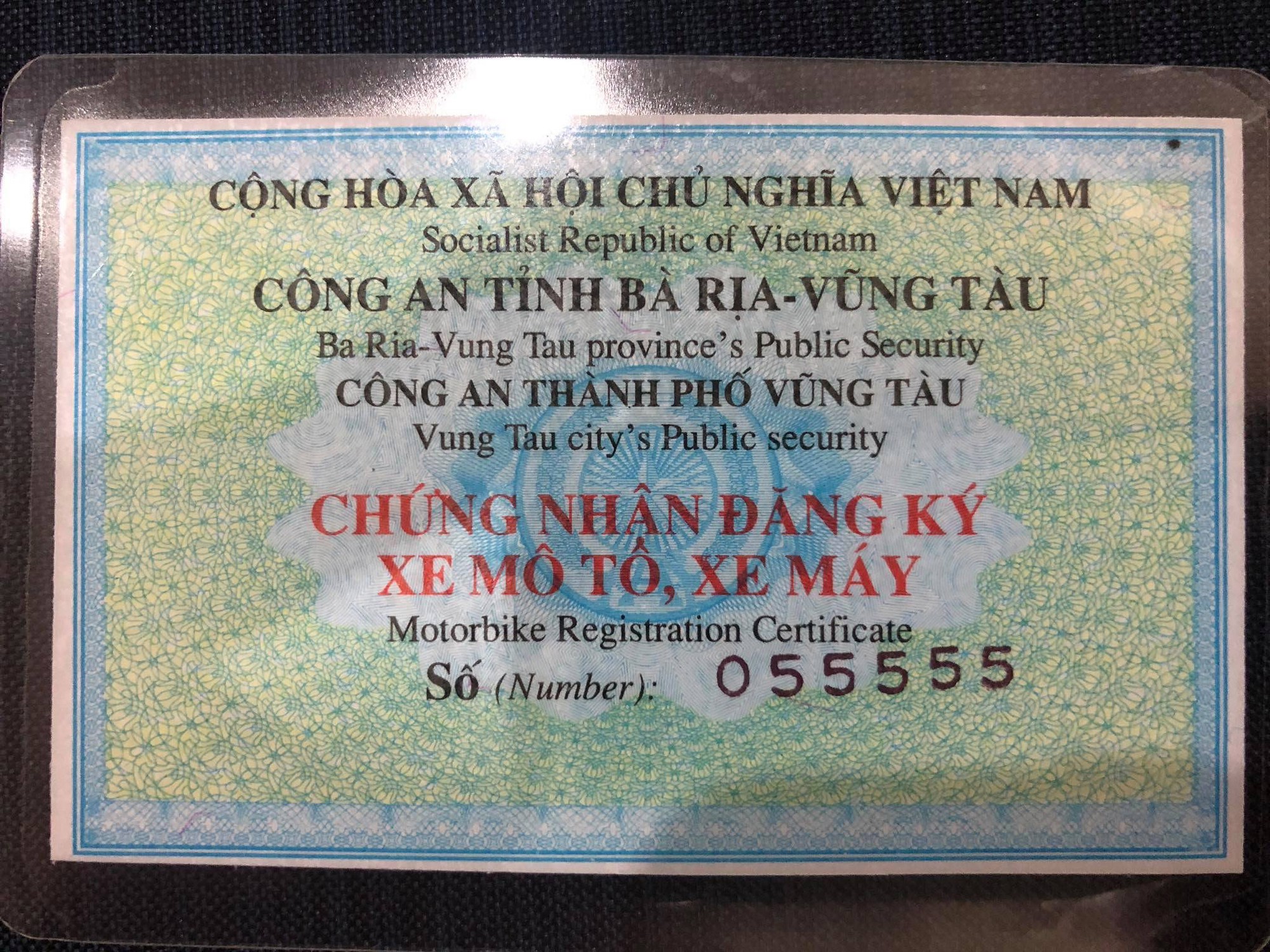
Your personal licence documents are only one half of the legal check. The motorcycle itself should be properly registered and have the current compulsory civil-liability insurance required for motor vehicles. Vietnam’s compulsory motor-vehicle liability framework under Decree 67/2023 has been amended in 2026, so rental operators should be able to show current documentation rather than relying on an old photocopy with unclear validity.
Ask to see the registration information for the exact plate on the motorcycle. The model, plate and ownership or authorized-use information should be consistent with the bike you receive. If a provider cannot explain the vehicle papers clearly, choosing another bike or rental company is safer than trying to interpret missing paperwork after a roadside check.
Compulsory third-party liability insurance for the motorcycle is different from your travel insurance. The bike’s policy addresses statutory liability; your own travel policy may address medical treatment, evacuation, trip disruption or personal liability, subject to the policy terms. You need to understand both layers.
Before riding, contact your travel insurer if the motorcycle section is vague. Ask whether self-riding in Vietnam is covered, what licence and IDP combination is required, whether there is an engine-capacity limit, and whether protective equipment conditions apply.
- Match the registration details to the actual motorcycle and plate.
- Ask for evidence of current compulsory motor-vehicle liability insurance.
- Read your travel-insurance motorcycle exclusions separately.
- Keep accessible copies or clear photos of the documents while riding, subject to local requirements.
Related planning: See a fully supported multi-day motorbike concept
5. Use a clear rental contract — and keep your passport
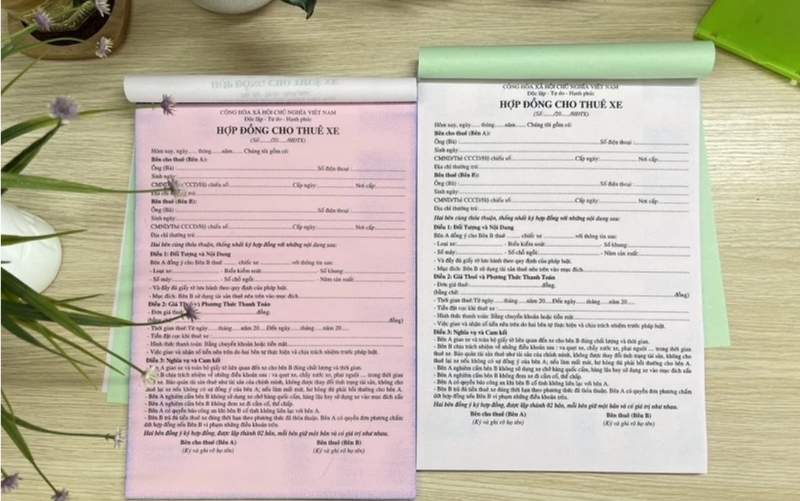
A good rental agreement reduces arguments because it records the exact motorcycle and the rules that apply to it. At minimum, the contract should identify the bike and plate, pickup and return date/time, rental price, deposit, fuel policy, included equipment, damage process, theft responsibility, repair authorization, roadside support and any geographic restrictions.
Pay special attention to out-of-city use. A scooter rented for central Hanoi or Ho Chi Minh City may be subject to different conditions if you ride it hundreds of kilometers away, take it into mountain provinces, put it on a ferry, or request a one-way return. Get those permissions in writing before the route begins.
Passport deposits deserve extra caution. Current UK travel advice for Vietnam explicitly says not to use your passport as a deposit for hiring vehicles or as a guarantee for a traffic fine. Even for travelers of other nationalities, keeping control of the original passport is the safer travel practice when a documented cash, card, or other deposit arrangement is available.
Photograph the signed contract and any deposit receipt. Save the rental company’s support number in your phone and also write it down somewhere accessible in case the phone is lost or damaged.
- Do not sign blank damage or payment sections.
- Record the deposit amount and refund conditions in writing.
- Confirm whether punctures, mechanical failures and towing are included or chargeable.
- Confirm whether another named rider is allowed to use the bike.
Related planning: Rental planning service
6. Inspect the motorbike and helmet before signing off

A legal motorcycle can still be a poor rental if its condition is weak. Do the mechanical walk-around before the shop becomes busy and before your luggage is tied to the bike. Test both brakes independently, check tire tread and pressure, confirm the throttle returns cleanly, turn the handlebars from lock to lock, and inspect for leaks or loose parts.
Turn on the headlight, brake light, indicators and horn. Check both mirrors, the electric starter and the fuel level. If the bike has a chain, look for obviously excessive slack or dryness. On a scooter, listen for unusual grinding or hesitation during a short low-speed test ride.
Record a slow 360-degree video that shows scratches, cracks, mirrors, panels, wheels, exhaust and the fuel gauge. Make sure the plate appears in the video. This is more useful than a few random close-up photos if a damage question appears later.
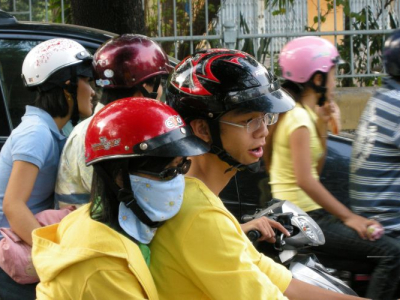
Helmet quality matters as much as motorcycle condition. Vietnamese law requires motorcycle drivers and passengers to wear a helmet correctly. Use a properly fitting helmet with a working strap; reject a cracked shell, loose strap, damaged buckle or badly fitting size.
- Test front and rear brakes before entering traffic.
- Check tire condition, lights, horn, mirrors and steering.
- Record pre-existing damage and fuel level in one continuous video.
- Ask for a better helmet if the supplied one does not fit or secure correctly.
7. Only self-ride if your experience matches Vietnam traffic

Paperwork is not a substitute for riding skill. Dense city traffic in Hanoi and Ho Chi Minh City includes scooters, buses, cars, delivery riders, pedestrians, one-way streets and frequent lane interaction. These are poor places to learn basic balance, braking, throttle or manual-clutch control.
If you are already an experienced rider, use the first ride to learn the local traffic rhythm rather than to cross the entire city. Start outside the busiest commuting period, choose a simple route, make lane changes early, leave more braking distance and stop safely before touching navigation.
Vietnam applies a strict approach to alcohol and driving. The practical rule for a rental rider is simple: do not combine alcohol with riding. Rain also changes stopping distance and grip quickly, especially on painted road markings, metal covers and polished city surfaces.
Travelers who want the motorbike perspective without the self-riding risk can ride as a passenger with an experienced local guide. That preserves the street-level experience while removing the need to navigate unfamiliar traffic personally.
- Do not learn to ride in central Hanoi or Ho Chi Minh City traffic.
- Keep both hands available for riding; stop before using a phone or map.
- Ride more slowly when rain begins and increase following distance.
- Switch to a guided passenger experience when confidence is low.
Related planning: Guided option: Hanoi Motorbike City Tour
8. Adjust the requirements for mountain roads and multi-day routes

A motorbike that is acceptable for a short urban rental is not automatically prepared for Ha Giang, the Central Highlands or a multi-day north-to-south route. Mountain riding adds steep gradients, blind corners, road works, fog, rain, livestock, heavy vehicles, falling debris and longer gaps between workshops or medical care.
Confirm that the rental contract permits the planned provinces and overnight use. Ask about luggage racks, spare tubes or puncture support, basic tools, roadside assistance, repair authorization and what happens if the motorcycle cannot be returned to the original city.
Protect daylight. Mountain routes are slower than map distances suggest, and arriving after dark removes visibility exactly when fatigue is rising. Build shorter daily distances, keep fuel above the minimum you would accept in a city, and download offline maps before signal coverage becomes inconsistent.
If you want the route but not the self-riding workload, an Easy Rider format is a strong alternative: an experienced local rider handles the motorcycle while you travel as a passenger. Guided motorbike itineraries can also provide helmets, fuel, route support and local logistics.
- Confirm the rental agreement allows overnight and out-of-province travel.
- Check weather and road conditions before each mountain day.
- Carry rain protection, water, a charged phone and offline navigation.
- Choose guided riding when terrain is beyond your normal experience.
Related planning: Compare an Easy Rider route | See a 4-day Ha Giang motorbike itinerary
9. Confirm fuel, parking, repairs, support and return terms
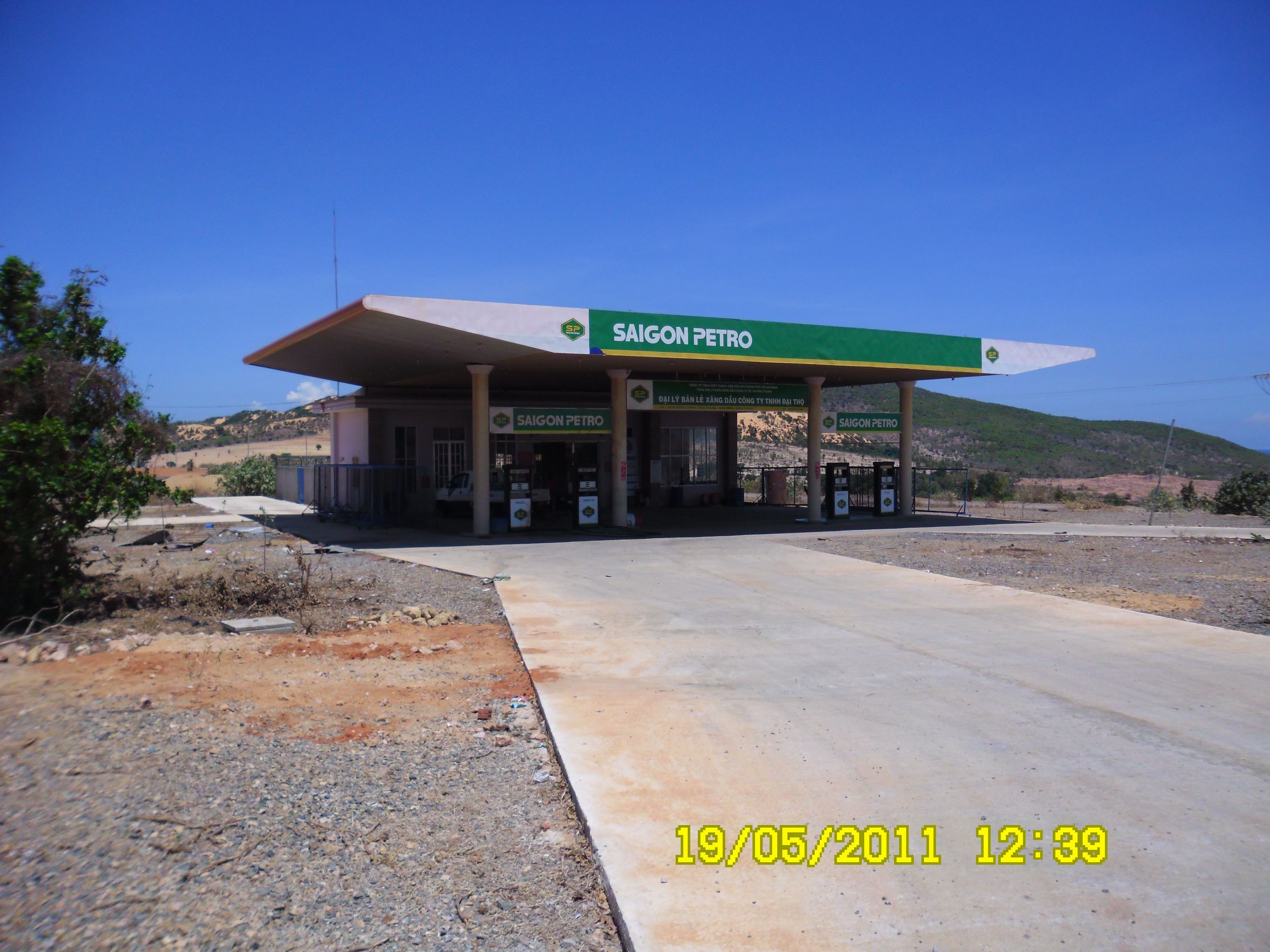
The final rental requirements are operational rather than legal, but they can decide whether the trip is easy or stressful. Confirm the fuel level at handover, the required fuel level at return, the correct fuel type and whether the rental company expects you to use particular stations or servicing procedures.
Ask what to do after a puncture or mechanical problem. Some companies want the rider to call before authorizing repairs; others permit small roadside fixes and reimburse against a receipt. Know the approval threshold before paying a mechanic in another province.
Parking practices vary by destination. Use official or clearly managed parking where possible, take the parking ticket, lock the steering, and do not leave passports, electronics or large cash amounts in under-seat storage. Photograph the parking location when leaving the bike in a large lot.
Return rules should be precise: address, time, late fee, one-way surcharge, airport or hotel collection fee and what happens if weather delays the route. A 24-hour rental is not always the same as a calendar-day rental, so ask the provider to state the deadline on the contract.
- Save the rental support number and return address offline.
- Keep fuel comfortably above reserve on unfamiliar rural routes.
- Get repair authorization before approving expensive work.
- Return early enough that normal traffic delays do not become a late fee.
Related planning: Build a route around your transport comfort
10. FAQ
1. How old do I need to be to rent and ride a motorcycle in Vietnam?
Vietnamese law sets 18 as the age for A1 and A motorcycle licences. People from 16 may operate vehicles classified as mopeds, but a foreign traveler still needs to verify the exact vehicle classification, licence-recognition rules, rental terms and insurance. Rental companies may also impose their own higher minimum age.
2. Do foreigners need an International Driving Permit in Vietnam?
Many foreign drivers need a recognized IDP together with their valid national licence, but the exact rule depends on the treaty framework and the country that issued the licence. For example, current UK government advice requires UK licence holders to carry a 1968 IDP and their UK licence.
3. Which IDP is valid in Vietnam?
Vietnam recognizes IDPs according to applicable international treaties, and current Vietnamese rules reference the 1968 Convention framework. Do not assume a permit issued under another convention or a private “international licence” is valid. Confirm with the official issuing authority for your nationality.
4. Can I ride a 110cc or 125cc scooter with only a car licence?
Do not assume so. Vietnam’s A1 reference category covers motorcycles up to 125cc, but a foreign traveler needs a matching motorcycle entitlement on the national licence and any recognized permit. An IDP does not create a motorcycle category that is absent from the underlying licence.
5. Can I rent a 50cc bike without licence checks?
Do not use the 50cc label as a shortcut. Moped rules differ from motorcycle rules, but the exact vehicle classification, rider age, foreign-document recognition, rental contract and insurance still need to be verified before public-road use.
6. Do I need insurance to ride a rental motorbike in Vietnam?
Yes, insurance needs two checks: the motorcycle should have the current compulsory civil-liability cover required for the vehicle, and your own travel insurance should explicitly cover self-riding the relevant engine size under your licence and permit conditions.
7. Should I leave my passport as a motorbike deposit?
Avoid it when possible. Current UK travel advice specifically says not to use a passport as a deposit for hiring vehicles. Ask for a documented cash, card or other deposit arrangement and keep a receipt.
8. What bike documents should I ask the rental company to show?
Ask for registration information that matches the motorcycle and plate, evidence of current compulsory liability insurance, and a written rental agreement. Also record the provider’s support contact and return details.
9. What should I inspect before leaving the rental shop?
Check tires, both brakes, lights, indicators, horn, mirrors, steering, throttle response, fuel level and visible damage. Test ride at low speed, inspect the helmet, and record a 360-degree video before departure.
10. What if I am not experienced enough to self-ride?
Use a guided motorbike passenger experience, Easy Rider route, taxi or private vehicle. Vietnam is enjoyable without self-riding, and a guided option is better than learning motorcycle control in dense city traffic or on mountain roads.
Not sure whether your documents and experience match the route?
Share your nationality, licence categories, preferred bike size, destinations and riding experience. Vietnam Travelers can suggest a rental-ready route or a guided alternative that better fits your comfort level.
Customize Your TripPlanning sources: Vietnam Road Traffic Order and Safety Law 36/2024/QH15 | Circular 12/2025/TT-BCA on driving licences and IDPs | Decree 220/2026/ND-CP amending compulsory motor-vehicle liability insurance rules | UK FCDO Vietnam road travel advice. Recheck immediately before publication and travel.
Image credits: Vyacheslav Argenberg, Wikimedia Commons, CC BY 4.0; PLO editorial photograph - verify reuse permission before publication; Trip.com website photograph - verify reuse permission before publication; Nicolas Bouliane, Wikimedia Commons, CC0; AutoPro editorial photograph - verify reuse permission before publication; Sieuthixedap.com website photograph - verify reuse permission before publication; madmalaysia, Wikimedia Commons, CC BY-SA 4.0; Vyacheslav Argenberg, Wikimedia Commons, CC BY 4.0; Mike Norton, Wikimedia Commons, CC BY 2.0; thaophamxd, Wikimedia Commons, CC BY 3.0; Wikimedia Commons photograph - check file page for attribution terms. Each major heading uses a different real, non-AI web photograph displayed in an 850 × 500 crop frame. For editorial/website photos outside Wikimedia Commons, verify reuse permission and preferably upload an authorized copy to WordPress Media Library before publication.




.jpg)


