








Vietnam is long and narrow, so city to city travel changes dramatically by corridor.
A useful plan compares the complete journey rather than only the distance between two map points.
Flights can save hours across the country, while trains add scenery and overnight options.
Buses and limousine vans cover many regional links. Private cars work best when exact addresses and luggage matter.
Official Vietnam Tourism transport guidance lists flights, trains, buses, ferries, taxis, and other options for domestic travel.
This guide explains how to travel between Vietnam cities without repeating route specific schedules or ticket pages.
1. Think in Travel Corridors, Not City Names

Air travel helps save time when moving between cities
The first planning step is identifying the corridor between the two cities. Similar distances can create very different journeys.
A route on the main railway may offer a useful train. Another route may depend almost entirely on roads.
Coastal cities often have several choices. Mountain destinations usually require a final road section.
Island trips add another transfer layer. The city name may hide an airport, ferry port, or mainland connection.
Short neighboring routes usually favor road transport. Long north to south journeys often favor flights or overnight rail.
The traveler should also identify the real pickup and final address. A resort can sit far beyond the city center.
|
|
|
|
|
|
|
|
|
|
|
|
|
|
|
|
|
|
|
|
|
|
|
|
2. Match the Transport Mode to the Real Time Cost

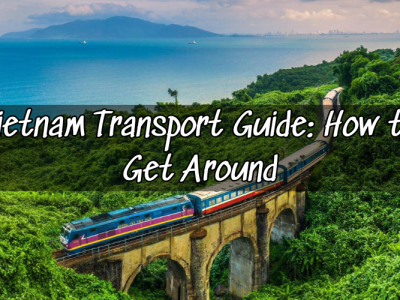
Traveling by train offers new perspectives on Vietnam's natural beauty
Transport time should include every stage from one accommodation to the next. Published vehicle time is only one component.
A domestic flight may look fastest. Airport transfers, check in, security, baggage, and city access reduce the time advantage.
Vietnam Airlines currently requires valid travel documents for domestic flights. Foreign travelers should keep original valid identification available.
Current airline guidance appears under Vietnam Airlines travel documents.
Trains can work well when both stations fit the itinerary. Sleeper berths may also replace part of an overnight stay.
Vietnam Tourism highlights the north to south railway in its Vietnam railway journey guide.
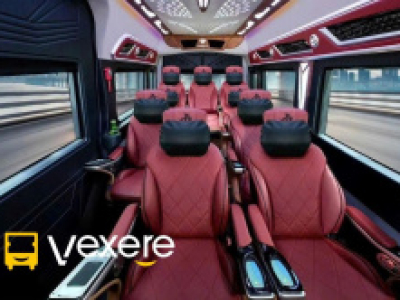
Sleeper buses reach many places outside the rail network. Limousine vans often suit shorter regional travel with fewer passengers.
Private cars reduce station transfers and repeated luggage handling. Their value rises for families, groups, resorts, and custom stops.
|
|
|
|
|
|
|
|
|
|
|
|
|
|
|
|
|
|
|
|
|
|
|
|
3. Use Different Strategies for Common City Pairs
The best method changes with the geography of each city pair. A national rule cannot replace route specific planning.
Hanoi to Ninh Binh is a short regional journey. Buses and private cars can reach tourist areas beyond Ninh Binh City.
Travelers can compare Hanoi to Ninh Binh bus with Hanoi to Ninh Binh private car.
Hanoi to Ha Long also favors road travel for many itineraries. Cruise travelers should plan around the correct port and boarding time.
The Hanoi to Ha Long private car page keeps that route intent separate from this guide.
Da Nang and Hoi An are neighboring destinations without a direct city center railway link. Road transport usually completes this connection.

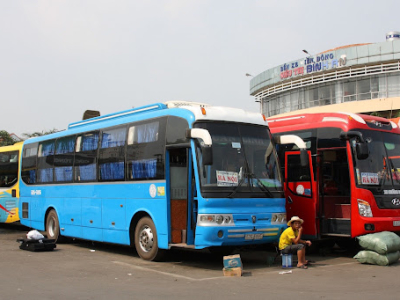
Tourist buses are a popular mode of transport, but they are time-consuming
Vietnam Tourism describes Da Nang as a regional hub with trains, buses, and frequent domestic flights. Da Nang destination guidance provides wider context.
GoVNTransport also separates the route under Da Nang to Hoi An private car and Da Nang to Hoi An bus.
Nha Trang and Da Lat need a road journey between coast and highlands. Travelers should allow for mountain weather and rest stops.
Review Nha Trang to Da Lat private car for route specific planning.
Ho Chi Minh City to Mui Ne is another road focused corridor. A direct bus or private car avoids airport complexity for this regional trip.
For private travel, use Ho Chi Minh City to Mui Ne private car.
4. Protect Connections Before Flights, Cruises, and Ferries

Travel to Phu Quoc by high-speed boat
The main intercity vehicle is not the only schedule that matters. Fixed onward departures create the greatest connection risk.
Flights need check in and security time. Cruises need port arrival before boarding closes.
Ferries can depend on weather, port procedures, and seasonal schedules. Train departures also cannot wait for delayed road passengers.
A road arrival time should never be treated as a guaranteed connection. Traffic, construction, weather, and collection stops can add delays.
Travelers should create a larger buffer before international flights. The same principle applies before cruises and important events.
Airport journeys should use terminal specific pickup details. Large suitcases can also change the required vehicle size.
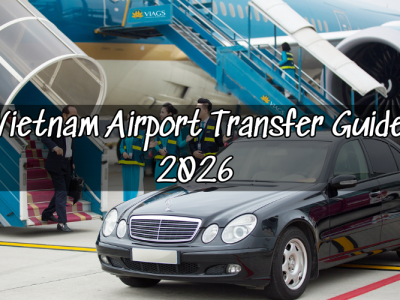
Use Vietnam airport transfers when a city connection starts or ends with a flight.
Bus travelers should confirm whether the listed point is a terminal, company office, hotel zone, or roadside stop.
GoVNTransport organizes shared road services under Vietnam bus routes.
|
|
|
|
|
|
|
|
|
|
|
|
|
|
|
|
|
|
|
|
|
|
|
|
5. Apply These Vietnam Transport Advice Checks in 2026
A strong 2026 plan should remain flexible because schedules and operating conditions can change. Recheck important details before each travel day.
Save the exact pickup point offline. A company office and a public bus station may have similar names.
Confirm the final drop point before paying. An inexpensive ticket can create an expensive taxi ride afterward.
Check luggage limits for every segment. Shared vans and flights can handle large bags differently.
Compare total cost instead of headline fare. Include local transfers, baggage charges, waiting time, tolls, and possible hotel nights.
Avoid booking separate journeys with narrow connections. One delay can affect several prepaid services.

Taxis are a convenient mode of transport, available 24/7
Weather matters most on mountain roads, ferries, and exposed coastal routes. A slower alternative may become the better option.
Families often benefit from fewer transfers. Solo travelers usually gain more value from trains, buses, and shared services.
Business travelers may prioritize predictable arrival and direct delivery. Private road service can be useful when several stops are required.
The broader Vietnam transport guide compares travel modes at national level. This page focuses specifically on travel between cities.
For reserved road travel, review Vietnam car rental and private car routes.
6. Frequently asked questions
1. What is the best way to travel between Vietnam cities?
The best option depends on distance, corridor, luggage, time, and final address. Many trips combine more than one transport mode.
2. Are domestic flights always faster between cities?
Not always. Airport access, check in, baggage, and final transfers can reduce the time advantage on medium distance routes.
3. When should travelers choose a train in Vietnam?
Trains suit rail connected cities, scenic travel, and some overnight journeys. Station location and departure times still need checking.
4. Are sleeper buses useful for intercity travel?
Yes. They cover many routes outside the rail network. Travelers should confirm pickup points, luggage rules, and estimated arrival times.
5. When is a private car worth the higher cost?
Private cars suit groups, families, resorts, bulky luggage, custom stops, and routes where direct addresses reduce transfer complexity.