









Vietnam bus travel guide planning starts with one simple idea: a bus ticket is not just a seat. It is a chain of decisions about the vehicle, boarding point, arrival stop, luggage, road conditions, and what happens before and after the journey.
Vietnam has an extensive road network, and buses fill many gaps that rail and air travel cannot. They connect mountain towns, beach destinations, regional cities, border provinces, airport corridors, and tourist hubs with a much wider range of departure times than many visitors expect.
The trade-off is inconsistency. A five-hour trip may be an ordinary coach, a compact limousine van, a classic two-level sleeper, or a private-cabin bus. Two tickets that look similar online can deliver very different pickup locations, berth sizes, luggage rules, and arrival experiences.
This guide focuses on the practical choices that matter most: bus types, booking, overnight comfort, luggage, city buses, airport connections, mountain routes, and when a train, flight, motorbike, or private transfer is the better tool.
1. Understand the main bus types in Vietnam

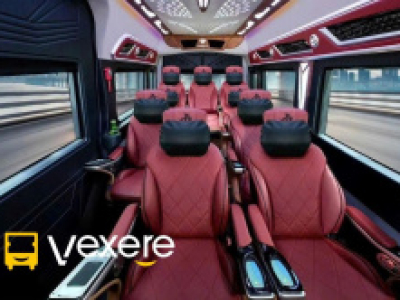
The word “bus” covers several products in Vietnam. Local city buses serve fixed urban routes. Intercity seated coaches handle shorter regional journeys. Sleeper buses replace upright seats with reclining bunks. Premium cabin buses add more separation and privacy, while limousine vans use fewer, wider seats for shorter or medium-distance routes.
Choose the format around the journey length and your body comfort. A sleeper is useful when you would otherwise spend six or more daytime hours sitting upright, but a limousine van can feel more natural for a three- to five-hour route where you want a normal seated position and easier boarding.
| Bus format | Best for | Typical strengths | Main checks |
|---|---|---|---|
| Seated coach | Short and medium intercity routes | Simple, usually low-cost, easy to understand | Seat pitch, station location, number of stops |
| Standard sleeper bus | Medium and long routes | Reclining berth, overnight scheduling, wide route coverage | Berth size, upper/lower level, rest stops, arrival time |
| Private/VIP cabin bus | Long routes and travelers wanting more privacy | More separation and a stronger sleep setup | Actual cabin dimensions, toilet, charging, luggage, premium price |
| Limousine van | Short to medium premium routes | Fewer seats, convenient pickup options, faster boarding | Seat assignment, luggage volume, multiple pickups |
| Local city bus | Urban and airport-adjacent movement | Very economical and useful on direct routes | Transfers, language, operating hours, luggage space |
Useful service: Bus & Train Ticket | Sleeper Bus Ticket Hanoi to Sapa
2. Compare sleeper buses, cabin buses, limousine vans, and seated coaches

Comfort labels are not standardized enough to rely on the name alone. “VIP,” “cabin,” and “limousine” can describe genuinely upgraded vehicles, but the real experience depends on the bus model, renovation, seat or berth dimensions, and how many passengers share the vehicle.
For tall travelers, recent vehicle photos matter. Traditional sleeper bunks can feel narrow and short, especially when a rigid footwell limits leg position. Premium cabins may give more shoulder space or privacy, but not every cabin is fully flat or suitable for two adults.
- Ask for a current photo of the exact bus class when possible, not only a marketing photo.
- Choose a lower berth if climbing is difficult; choose based on comfort rather than assuming one level is always smoother.
- Confirm whether shoes are removed before boarding and whether bags stay with you or go below.
- Do not count on Wi-Fi, charging ports, blankets, water, or toilets unless the operator specifically confirms them.
3. Choose routes where bus travel makes sense
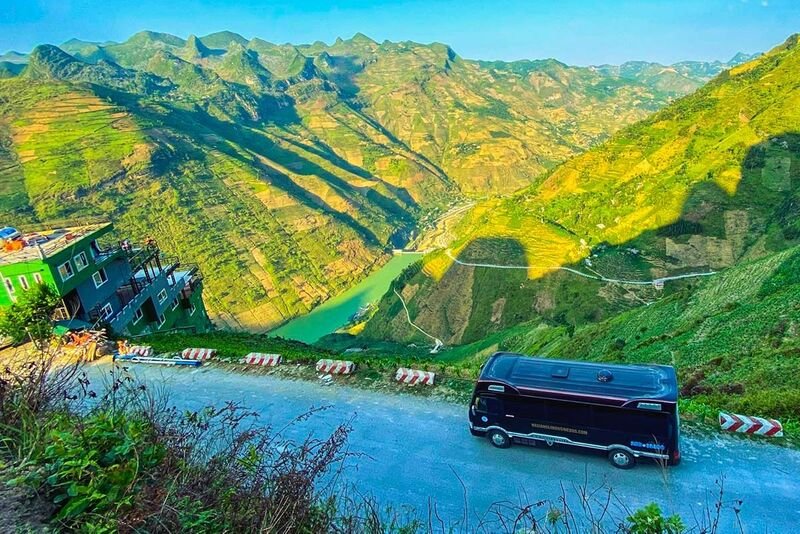
Bus travel is strongest where it solves a geography problem. Ha Giang, for example, is reached by road, and Vietnam Travelers notes daily morning and evening buses from Hanoi taking roughly six to seven hours in its route guide. Sapa also has direct sleeper bus options from Hanoi, including a current Vietnam Travelers ticket page built around a five-hour journey.
Buses can also make sense between regional tourism hubs when the alternative requires an airport transfer plus a short flight, or a train station that is far from the final destination. The practical test is door-to-door time, not the headline travel time shown on the ticket.
- Use a bus when it reaches the destination directly and removes an extra transfer.
- Prefer daytime on scenic or mountain routes when visibility and an easier arrival matter.
- Use overnight services when the route is straightforward and the next morning does not contain a fixed early activity.
- Allow more buffer before flights, cruises, international trains, or other non-flexible connections.
Route planning: Ha Giang Loop from Hanoi guide | Ha Giang Loop 3 Nights 3 Days with sleeping bus
4. Book tickets with the pickup and drop-off details confirmed

A common booking mistake is focusing on the departure time while ignoring where the bus actually starts and ends. Some tickets depart from a major terminal, some from an operator office, and others include a feeder van or hotel pickup inside a defined zone.
The destination works the same way. A ticket labeled for a city may stop at an outer terminal, company office, hotel area, or roadside meeting point. This can change the real arrival time by 20 to 60 minutes once local transport is added.
- Save the operator name, phone number, booking code, vehicle class, and boarding address offline.
- Ask whether pickup time is exact or a window created by a feeder van.
- Confirm the final drop-off point before choosing your hotel or onward transport.
- Recheck holiday dates because Tet, public holidays, weekends, and festivals can tighten inventory.
- Use the operator or a reputable booking channel and keep screenshots of the confirmed trip.
Direct planning help: Vietnam Travelers Bus & Train Ticket service
5. Prepare for sleeper bus comfort, rest stops, and overnight travel
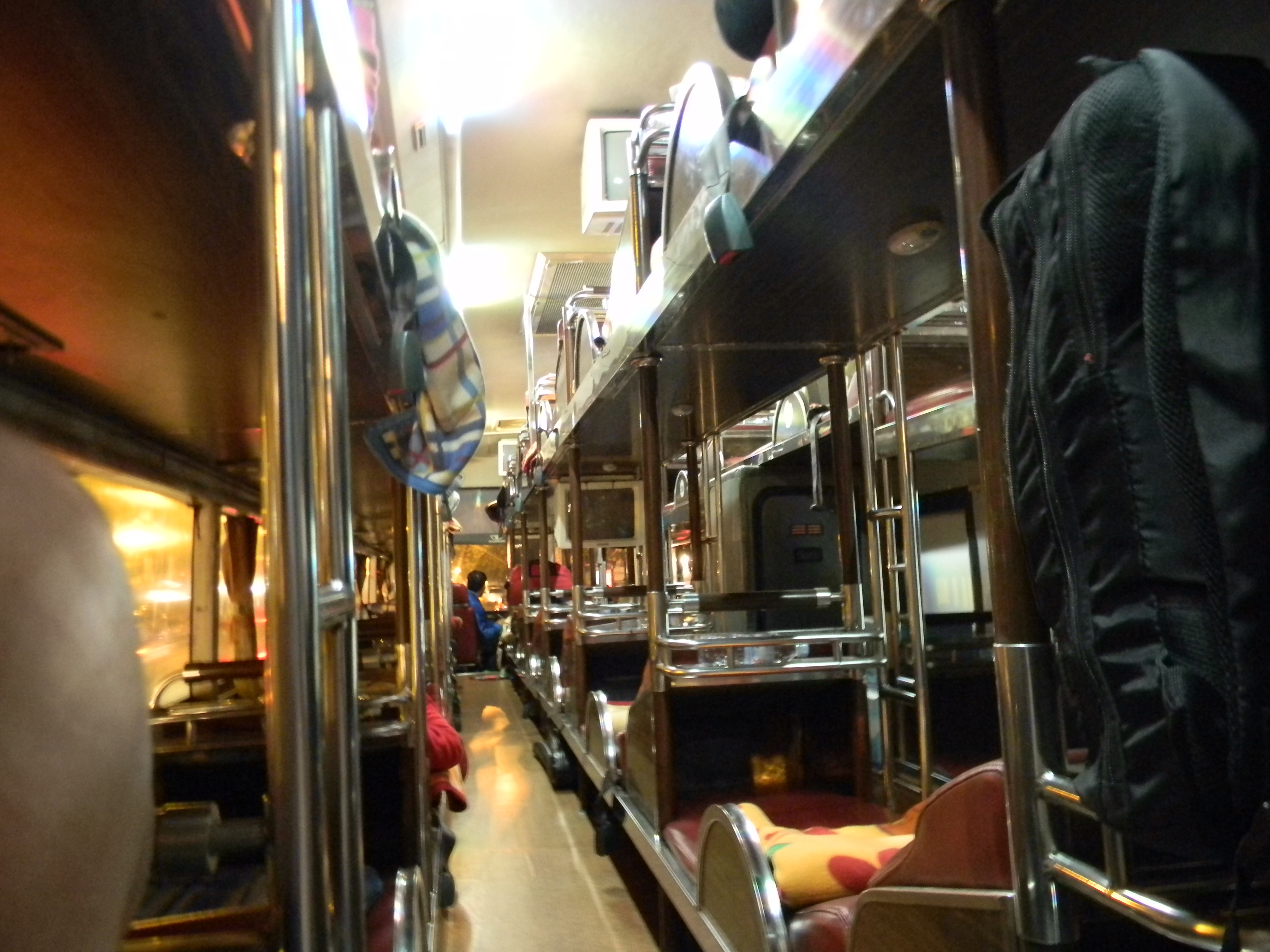
Sleeper buses are designed to reduce the fatigue of sitting upright, but they do not guarantee a full night of sleep. Road noise, horns, acceleration, air-conditioning, lighting, rest stops, and berth dimensions all affect comfort.
Pack for temperature changes. A lightweight layer and socks can make a heavily air-conditioned vehicle much easier, while slip-on shoes simplify rest stops because many sleeper buses ask passengers to remove footwear at the entrance.
- Use the restroom before boarding and again during planned stops.
- Carry water, tissues, hand sanitizer, earplugs, and an eye mask.
- Download maps, entertainment, and hotel details before departure; onboard Wi-Fi may be unreliable.
- Avoid planning a demanding sunrise tour immediately after an overnight bus unless you already know you sleep well on coaches.
6. Handle luggage, valuables, and boarding without stress
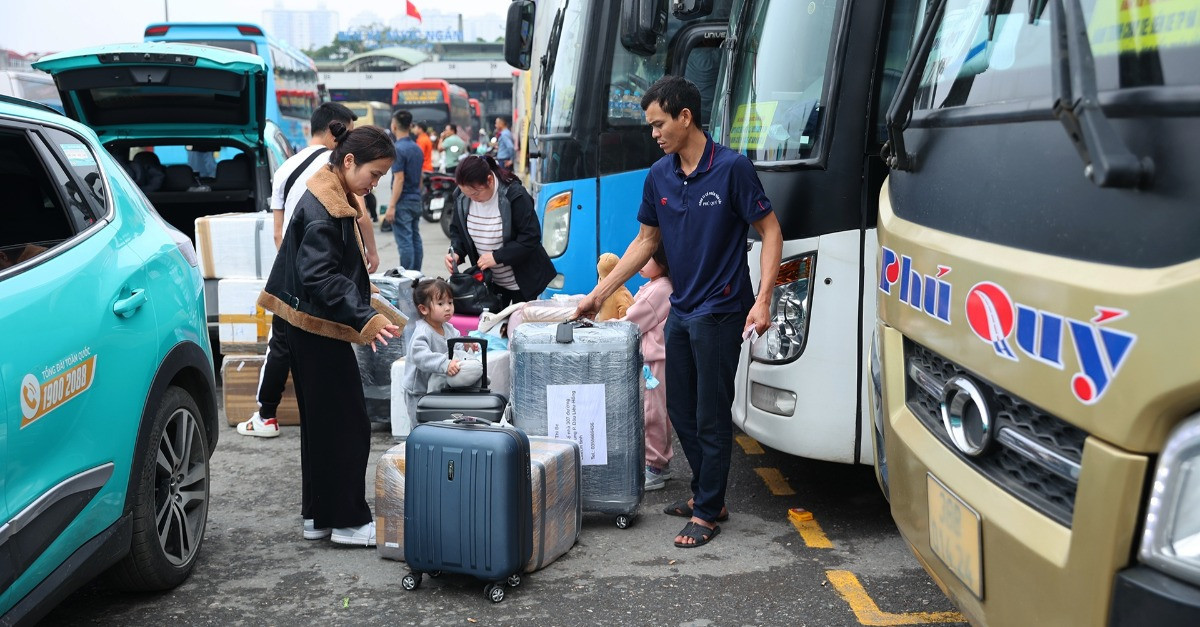
Large luggage usually travels in the underfloor hold or a rear storage area, while your small day bag stays with you. The best split is simple: anything that would seriously damage the trip if lost should remain within reach.
That means passport, money, bank cards, phone, camera, medication, chargers, insurance details, and one useful clothing layer stay in your personal bag. Checked luggage should hold clothes, toiletries, and replaceable items.
- Label your suitcase with your name and a working contact method.
- Take a photo of your luggage before it goes into the hold.
- Use a compact bag that fits your berth or seat without blocking the aisle.
- At rest stops, verify whether the same bus is continuing before leaving personal items behind.
7. Use city buses and airport shuttles for short urban legs
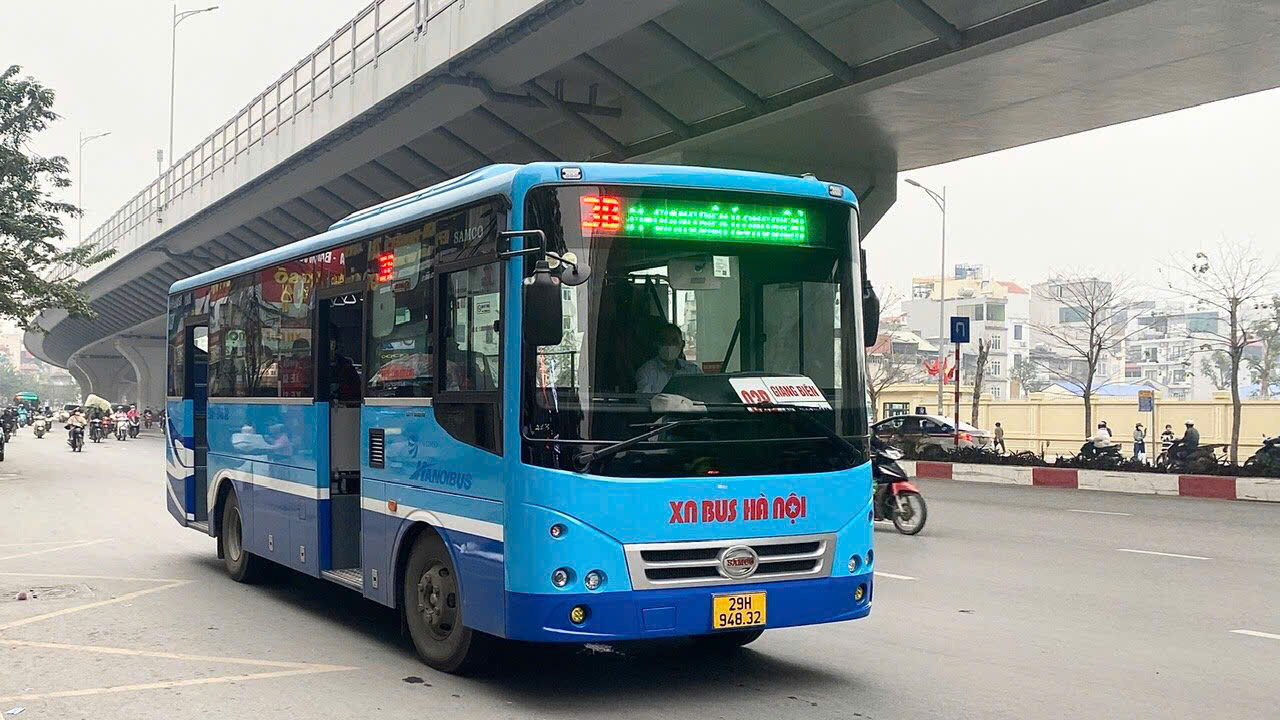
Local buses can be a useful layer of a Vietnam trip, particularly in Hanoi and Ho Chi Minh City, but they work best when the route is direct and luggage is light. The cost advantage matters less if two transfers turn a short ride into a complicated hour.
For airports, check the current terminal, bus stop, operating period, and where the service finishes in the city. Airport bus arrangements can change as terminals and traffic management evolve, so current local information is more valuable than an old blog timetable.
- Use city buses for simple daytime routes when you are not protecting a flight or timed tour.
- Keep small cash or the locally accepted payment method ready where required.
- Follow the live or current official route information rather than assuming an old route number is unchanged.
- For large luggage or late-night arrivals, compare the total effort with a taxi, ride-hailing car, or private transfer.
8. Treat mountain, coastal, and remote bus routes differently

A bus through flat intercity corridors and a bus into mountain country are not the same planning problem. Northern mountain routes and steep central roads can be more sensitive to rain, fog, roadworks, landslides, holiday traffic, and slow-moving vehicles.
If the scenery matters, daytime travel gives you a better experience and an easier sense of orientation on arrival. If the route is known for winding roads and you are prone to motion sickness, a daytime service also lets you manage food, medication, and rest stops more deliberately.
- Add a larger arrival buffer on mountain and remote routes.
- Check current road and weather conditions close to departure.
- Avoid scheduling a same-day flight connection after a long mountain bus journey.
- Choose an easy-rider, private car, or organized tour if the bus gets you to the gateway but not to the landscape you actually want to explore.
Compare mountain options: Ha Giang Loop from Hanoi guide | Bike & Motorbike Rental
9. Compare buses with trains, flights, motorbikes, and private transfers
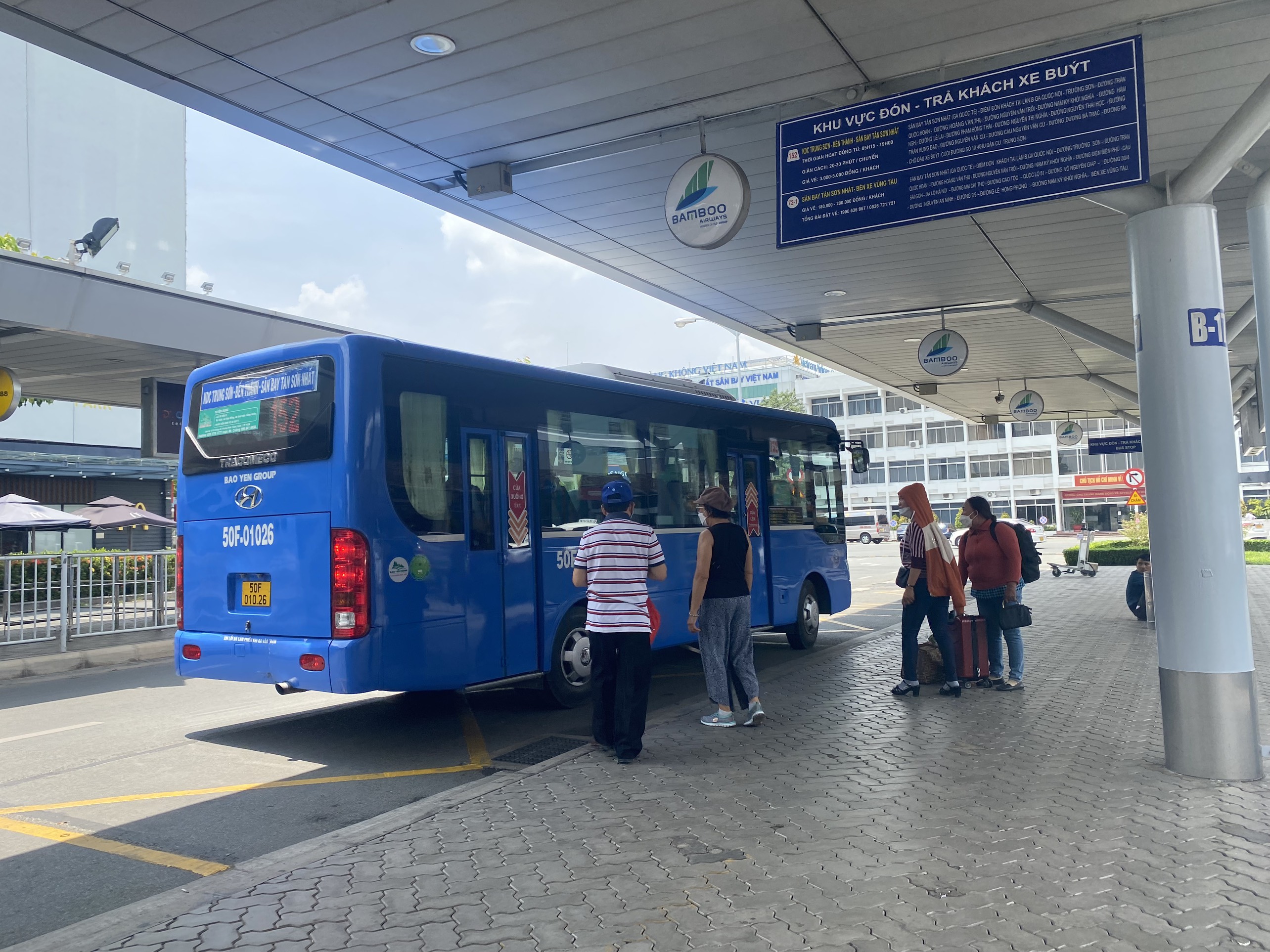
The cheapest ticket is not always the lowest-cost journey once sleep, taxis to terminals, missed sightseeing time, and connection risk are included. Compare transport by the value of the whole day.
| Mode | Best use | Trade-off | When to prefer it |
|---|---|---|---|
| Bus | Direct regional links and destinations without rail | Comfort and timing vary by operator | The bus removes transfers and arrival timing is flexible |
| Train | Rail-connected cities and overnight journeys where space matters | Fixed stations and fewer route options | You value a steadier ride and railway access fits the itinerary |
| Flight | Very long north-south jumps | Airport transfers, baggage rules, check-in time | Saving a full travel day matters |
| Private transfer | Families, luggage, airport/cruise connections, multi-stop road days | Higher price | Door-to-door timing and reliability are more valuable than ticket cost |
| Motorbike | Experienced riders and scenic independent routes | Legal, safety, weather, and luggage demands | The road itself is part of the experience |
Compare services: Private Transfer Hanoi Airport - Halong Bay | Bike & Motorbike Rental | Customize Your Trip
10. FAQ

1. How much does bus travel cost in Vietnam?
There is no national tourist fare. Prices vary by route, bus class, operator, booking channel, holiday demand, pickup arrangement, and whether you choose a standard sleeper, private cabin, limousine van, or ordinary coach. Treat online prices as route-specific references and reconfirm before payment.
2. Are sleeper buses common in Vietnam?
Yes. Sleeper buses are widely used on medium and long intercity routes, especially where travelers want to save daytime hours. Vehicle layouts and service standards vary, so check recent photos and the exact bus class before booking.
3. Should I take an overnight bus or a daytime bus?
Choose daytime when scenery, road confidence, easier arrival, or mountain conditions matter more than saving a hotel night. Overnight buses can be efficient on straightforward routes, but early-morning arrivals and limited sleep may reduce the value for some travelers.
4. Do sleeper buses in Vietnam have toilets?
Do not assume they do. Some premium vehicles may have onboard toilets while many buses rely on scheduled rest stops. Confirm the vehicle facilities with the operator and use restrooms whenever the bus stops.
5. Where should I keep my passport and valuables?
Keep your passport, phone, money, cards, medication, and essential electronics in a small bag that stays with you. Do not place critical documents in the luggage hold.
6. How early should I arrive for a bus?
Use the operator's instruction as the rule. For unfamiliar stations or pickup offices, arriving around 20 to 30 minutes early gives time to find the correct counter or vehicle, but some hotel pickups work with a wider window.
7. Can buses pick me up from my hotel?
Some tourist buses and limousine services offer hotel pickup or a nearby meeting point, while many intercity services depart from a terminal or company office. Confirm the exact address and pickup window in writing.
8. Is the bus a good way to reach Sapa or Ha Giang?
Often, yes. Neither destination is handled like a simple central-city rail arrival, so road transport is important. Vietnam Travelers lists a sleeper bus ticket between Hanoi and Sapa and also explains daily bus travel from Hanoi to Ha Giang in its Ha Giang planning guide.
9. When is a private transfer better than a bus?
A private transfer is stronger when you have children, several large bags, a flight or cruise connection, mobility needs, multiple sightseeing stops, or a hotel that is inconvenient from the bus terminal.
10. What should I confirm before paying for a bus ticket?
Confirm the operator, vehicle class, departure date and time, boarding address, pickup policy, destination stop, luggage allowance, cancellation terms, contact number, and whether the listed arrival time is realistic for your onward plans.
Build the transport around your itinerary
Share your travel dates, route, luggage, group size, comfort preferences, and time-critical connections. Vietnam Travelers can help compare bus tickets with private transfers and other transport so the journey supports the trip rather than controlling it.
Customize your Vietnam journeyPlanning references: Bus & Train Ticket | Sleeper Bus Ticket Hanoi to Sapa | Ha Giang Loop from Hanoi guide | Vietnam sleeper bus planning guide (updated 2026). Timetables, pickup points, fares, vehicle classes, and road conditions change; recheck before booking.
Image credits: Ilya Plekhanov, Wikimedia Commons, CC BY-SA 4.0; Ilya Plekhanov, Wikimedia Commons, CC BY-SA 4.0; Ilya Plekhanov, Wikimedia Commons, CC BY-SA 4.0; Vietnam Travelers website photo; Vexere website photo - verify reuse rights before publication; Ecow, Wikimedia Commons, CC0 1.0; VietnamNet editorial photo - verify reuse rights before publication; Thang Long / Government portal editorial photo; Website travel photo - verify reuse rights before publication; VTV editorial photo - verify reuse rights before publication; Ilya Plekhanov, Wikimedia Commons, CC BY-SA 4.0. Each heading uses a different real, non-AI photograph. Wikimedia images are reusable under the stated licenses; verify reuse permission for editorial/website-source photos before long-term publication.